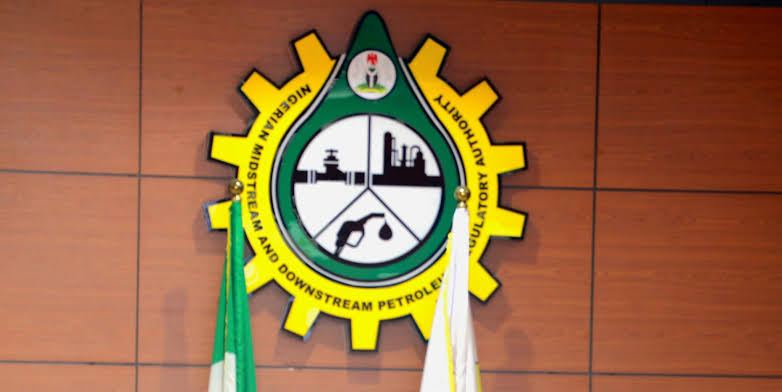

The Nigerian Midstream and Downstream Petroleum Regulatory Authority (NMDPRA) has proposed a sweeping new regulatory framework aimed at eliminating anti-competitive practices in Nigeria’s petroleum industry, including fuel price fixing, market allocation, bid rigging and coordinated supply restrictions.
The draft Midstream and Downstream Petroleum Prevention of Anti-Competitive Practices and Behaviour Regulations, 2026, published on Thursday, marks one of the regulator’s most comprehensive efforts to promote fair competition and improve transparency across the country’s midstream and downstream oil and gas value chain.
If adopted, the regulations would prohibit licence holders, permit holders and other market participants from entering into agreements, whether formal or informal, written or oral, that have the purpose or effect of preventing, restricting or distorting competition.
Among the practices specifically prohibited are coordinated pricing arrangements covering pump prices, ex-depot prices, wholesale and retail margins, discounts, surcharges, freight charges and pricing formulas. The proposed rules also seek to ban market-sharing agreements in which competitors divide customers, territories, product lines or geographical markets to limit competition.
The framework further targets bid rigging and collusive tendering in procurement processes, as well as coordinated production, import or supply restrictions designed to create artificial shortages or influence market prices.
In addition, the draft regulations address tacit collusion and price signalling. Companies would be prohibited from using trade associations, public announcements or indirect communications to coordinate pricing behaviour or exchange commercially sensitive information such as future prices, production plans, customer lists, market strategies or bidding intentions.
According to a public notice signed by the Authority Chief Executive, Rabiu A. Umar, the proposed regulations are being issued pursuant to Section 216(1) of the Petroleum Industry Act (PIA) 2021, which requires stakeholder consultation before new regulations are finalised.
The Authority has invited petroleum industry operators, licence holders, permit holders and other stakeholders to submit comments within 21 days of the publication of the draft regulations. It also scheduled a stakeholders’ consultation forum for September 22, 2026, at its headquarters in Abuja’s Central Business District.
The proposal comes amid heightened scrutiny of pricing practices in Nigeria’s downstream petroleum market following allegations earlier this year by some oil marketers that certain fuel importers coordinated petrol pricing. The companies named in those allegations denied any wrongdoing, and no regulatory finding establishing price fixing has been announced. The draft regulations are therefore broader in scope and are intended to provide a clearer legal framework for preventing anti-competitive conduct across the sector.
The proposed rules also seek to curb exclusive supply arrangements and restrictive long-term contracts that could deny independent marketers and smaller operators access to petroleum products or essential infrastructure.
If implemented after stakeholder consultations, the regulations are expected to strengthen competition, encourage greater market efficiency, improve pricing transparency and reinforce consumer confidence in Nigeria’s liberalised petroleum market, while aligning the sector more closely with the competition objectives of the Petroleum Industry Act.