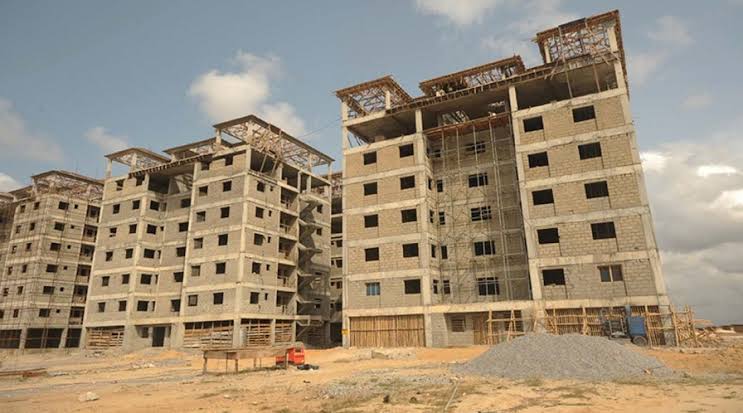

Nigeria’s estimated housing deficit of about 15 million units is refocusing attention on the build-to-rent (BTR) model as a potential long-term solution to the country’s chronic housing shortage. With annual formal housing delivery estimated at fewer than 100,000 units, industry stakeholders say expanding professionally managed rental housing could help narrow the widening supply gap.
Unlike the traditional build-and-sell approach, BTR involves developers constructing residential properties specifically for long-term leasing while retaining ownership. The model is attracting growing interest in Nigeria, where mortgage penetration remains below 1% of GDP—far lower than in South Africa and many other emerging markets—leaving most households dependent on rental accommodation.
The opportunity is particularly evident in Lagos, where more than 70% of residents are estimated to live in rented homes. Many households spend well above the internationally recognised affordability benchmark of 30% of income on housing, reflecting rising rents, limited supply and persistently high construction costs. Nigeria’s urban population, now accounting for about 56% of the total, continues to grow, adding further pressure to housing demand.
Property experts say scaling BTR will require greater participation from institutional investors, including pension funds and Real Estate Investment Trusts (REITs), whose long-term investment horizons are well suited to rental housing. Although Nigeria’s pension assets now exceed ₦30 trillion, investment in residential rental developments remains limited, underscoring the need for regulatory and fiscal incentives to mobilise more long-term capital.
High inflation and naira depreciation have also strengthened property’s appeal as a store of value, encouraging buy-to-let investment beyond Lagos and Abuja into other urban centres where population growth and commercial activity are driving housing demand.
Despite the strong market potential, many developers continue to favour build-and-sell projects because they offer faster capital recovery. Industry participants also cite rent defaults, rising maintenance costs, lengthy eviction processes and regulatory uncertainty surrounding tenancy reforms as factors limiting wider adoption of BTR projects.
However, real estate professionals argue that while outright sales generate quicker cash flow, retaining rental assets provides stable long-term income, portfolio diversification and potential capital appreciation, making BTR more resilient during periods of weak property sales.
Development finance institutions are also supporting initiatives to improve land title registration, expand housing finance and mobilise private and diaspora investment. Analysts say the sector’s long-term growth will ultimately depend on policy reforms, including stronger tenancy frameworks, faster dispute resolution, deeper capital markets and targeted incentives to encourage institutional investment in rental housing.