
Nigeria’s fiscal reality is once again at a crossroads, where urgent funding needs meet rising concerns over debt sustainability. The approval of fresh external loans signals both an attempt to stabilise public finances and a test of how effectively borrowed funds can translate into real economic value.
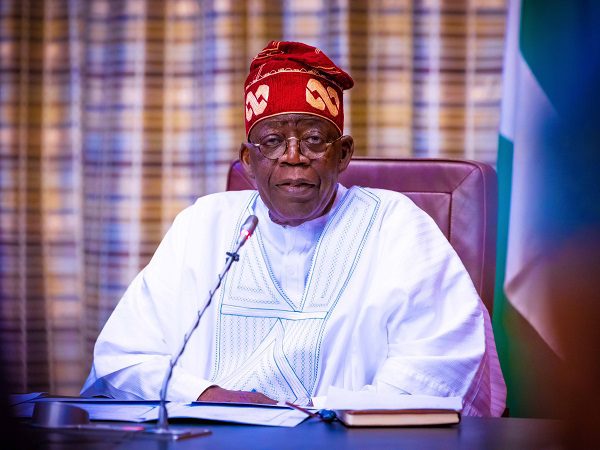
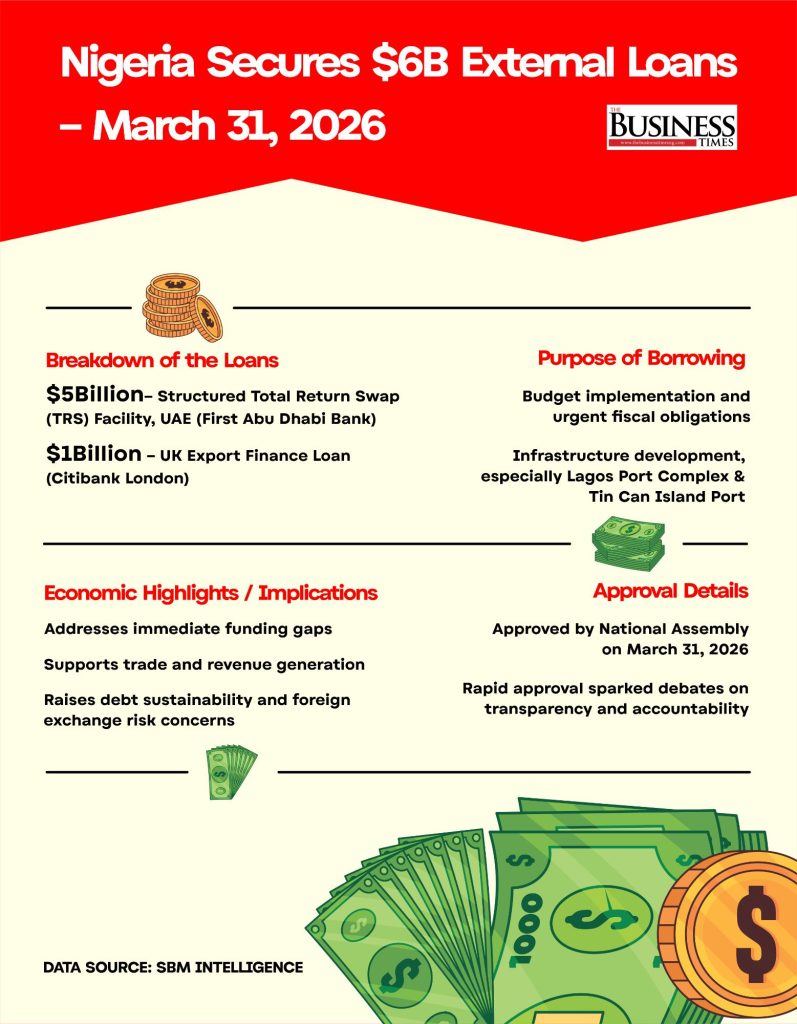
On March 31, 2026, the National Assembly approved President Bola Ahmed Tinubu’s request for 6 billion dollars in external loans, a move that is expected to shape the country’s fiscal direction and infrastructure outlook. The request, presented to Senate President Godswill Akpabio and House Speaker Tajudeen Abbas, outlines two major facilities. These include a 5 billion dollar structured financing arrangement with First Abu Dhabi Bank and a 1 billion dollar export finance facility arranged through Citibank London. While the larger facility is designed to support fiscal obligations and budget implementation, the smaller component is tied to the rehabilitation of key ports such as the Lagos Port Complex and Tin Can Island Port.
The speed of approval has drawn attention. Lawmakers reviewed and passed the request within hours, raising questions about the depth of scrutiny applied to such a significant financial decision. Critics, including Atiku Abubakar, argue that the process limits transparency and weakens legislative oversight. This concern reflects a broader issue around fiscal governance, where rapid decisions can reduce accountability and increase the risk of inefficient allocation.
From an economic standpoint, the borrowing offers immediate relief but introduces longer term risks. Economist Bola Olayinka notes that while the funds may ease short term fiscal pressure, they add to an already heavy debt burden. Rising debt service obligations could reduce the government’s ability to fund critical sectors such as health and education. The sustainability of this borrowing will depend largely on whether the investments financed generate sufficient returns to offset repayment costs.
A key concern lies in the structure of the loans, which are denominated in foreign currency. Olayinka explains that this exposes Nigeria to exchange rate risk. If the naira weakens, the cost of servicing these loans will increase significantly. This could strain public finances, reduce foreign reserves, and heighten vulnerability to global financial shocks. In such a scenario, debt repayment becomes less predictable, with wider implications for economic stability.
Despite these risks, there are potential gains if the funds are effectively deployed. Businessman Uche Francis highlights the economic value of investing in infrastructure, particularly ports. Improved port systems can enhance trade efficiency, reduce logistics costs, and attract investment. This could strengthen export capacity and create jobs across supply chains. However, he cautions that these outcomes are not automatic. Poor execution or weak maintenance could limit the benefits, reducing the overall impact on growth.
The method of approval also raises structural concerns. Olayinka argues that fast tracking large borrowing decisions can weaken oversight and reduce public scrutiny. Without strong accountability systems, there is a risk that funds may be mismanaged or diverted. This not only undermines public trust but also reduces the effectiveness of the borrowing itself. Transparent processes and informed debate are essential to ensure that such decisions align with national priorities.
Beyond immediate fiscal implications, the borrowing raises questions about Nigeria’s long term economic strategy. Francis points out that heavy reliance on external loans can reduce the urgency to strengthen domestic revenue systems. It may delay necessary reforms in taxation and revenue collection, creating a cycle where borrowing becomes the default solution to fiscal challenges. Over time, this weakens the foundation of sustainable economic management.
To avoid these pitfalls, both analysts stress the importance of discipline in the use of borrowed funds. Francis emphasises the need for clear project selection, strict monitoring, and transparent reporting. Funds should be directed toward high impact projects with measurable outcomes, ensuring that they contribute meaningfully to economic growth. Strengthening institutions and reducing corruption are equally critical, as weak governance structures can erode the benefits of even well intentioned investments.
Regular public updates on project progress can also play a role in building trust and ensuring accountability. When citizens can track how funds are used, it increases pressure on institutions to deliver results. This level of transparency is essential if the borrowing is to move beyond short term fiscal relief and generate lasting economic value.
Nigeria’s current debt profile adds urgency to these considerations. With total public debt already elevated, additional borrowing must be carefully managed to avoid deepening fiscal vulnerabilities. The challenge is not just about securing funds but ensuring that each borrowed dollar contributes to productive capacity, economic expansion, and improved public welfare.
Ultimately, the approval of the 6 billion dollar loan reflects a balancing act between necessity and risk. It demonstrates the government’s intent to address immediate fiscal constraints and invest in infrastructure, but it also underscores the importance of prudent management. The true impact of this decision will depend on execution. If managed effectively, the loans could support growth and improve trade efficiency. If not, they risk adding pressure to an already strained fiscal system.