
The Federal Government has assured federal public servants that outstanding wage awards and promotion arrears will soon be paid, while the Transmission Company of Nigeria (TCN) has recorded progress in its fight against the vandalism of electricity infrastructure.
The two developments reflect ongoing efforts by the government to improve workers’ welfare and protect critical national assets that support the country’s economy.
The Minister of Finance and Coordinating Minister of the Economy, Taiwo Oyedele, gave the assurance during a meeting with leaders of the Joint Public Service Negotiating Council (JNPSNC) in Abuja.
According to the minister, the process of releasing funds for the outstanding wage award is almost complete, and eligible workers are expected to begin receiving payments before the middle of August.
He explained that the government remains committed to honouring agreements reached with organised labour and is determined to clear outstanding obligations.
Oyedele noted that the administration believes in making realistic promises and ensuring that commitments are fulfilled within the agreed timeline. He also directed officials of the ministry to work with relevant Ministries, Departments and Agencies to speed up the processing of unresolved labour issues.
The government also confirmed that promotion arrears are currently being processed. Officials said workers affected by omitted promotion payments, including those under Batch 7 and Batch 9, would receive their entitlements once verification is completed.
In addition, discussions are ongoing to resolve issues relating to the payment of the 40 per cent Peculiar Allowance and other outstanding staff benefits.
Labour leaders welcomed the engagement but urged the government to act quickly. They stressed that prompt payment of workers’ entitlements would strengthen trust, improve morale and help maintain industrial peace across the public service.
The wage award was first introduced in 2023 as a temporary relief package after the removal of petrol subsidy increased the cost of living. Although payments started, several instalments remained unpaid, leading to repeated concerns from labour unions.
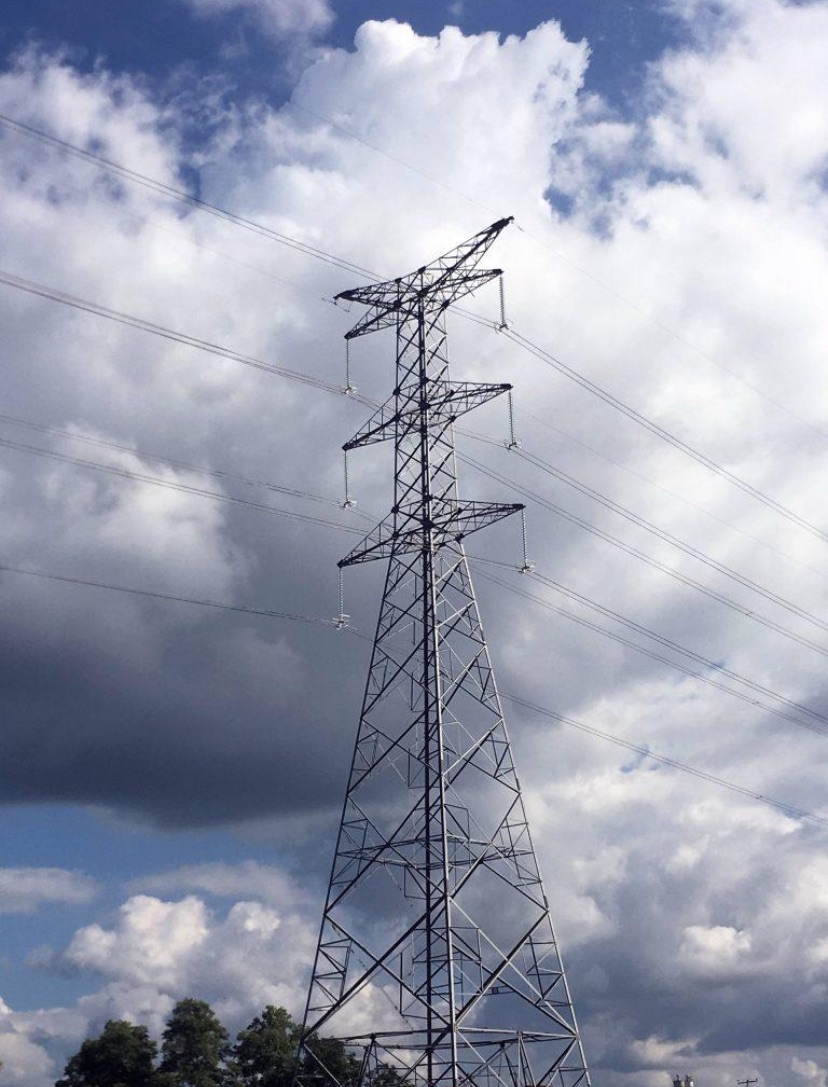
Meanwhile, the Transmission Company of Nigeria announced a major breakthrough in the investigation of vandalism affecting its Yola-Jalingo 330kV transmission line.
The company revealed that security agencies arrested a principal suspect linked to the destruction of six transmission towers after a joint operation involving the Nigeria Police Force.
The affected towers suffered severe damage after criminals removed important structural components, weakening the installations and threatening the stability of electricity transmission in the area.
TCN said its engineers discovered the damage during a routine inspection on July 29, 2026. Investigations showed that about 130 metal tower components had been stolen from six different towers.
Following the discovery, TCN officials worked closely with the police and community leaders to identify those responsible. Their efforts led to the arrest of a key suspect on August 1, while part of the stolen materials was successfully recovered.
The company said investigators have obtained useful information from the suspect and are working to arrest other members of the criminal group.
TCN strongly condemned the repeated attacks on electricity infrastructure, warning that such acts waste public investment and threaten reliable power supply across the country.
The company appealed to residents living near transmission facilities to remain vigilant and promptly report suspicious activities to security agencies or the nearest TCN office.
Analysts believe that protecting electricity infrastructure and ensuring workers receive their earned benefits are both essential steps toward improving productivity, strengthening investor confidence and supporting Nigeria’s economic growth.
Government officials and labour representatives have pledged to continue dialogue to resolve outstanding issues peacefully while security agencies intensify efforts to safeguard critical national infrastructure.