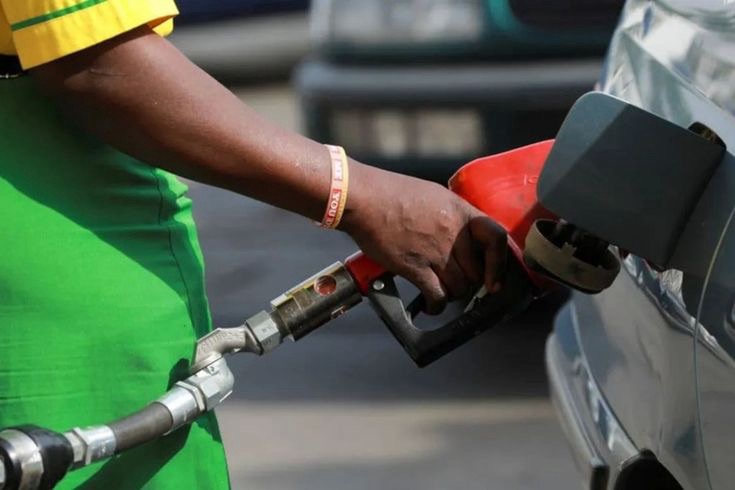

Residents and motorists in Abuja are facing growing hardship following a fresh increase in petrol prices across the city. The latest adjustment has pushed transportation costs higher and made daily living more difficult for many people.
Fuel stations in the Federal Capital Territory recently raised their pump prices, adding more pressure on commuters and businesses already struggling with high expenses. Petrol, which was previously sold between ₦1,261 and ₦1,295 per litre, has now risen significantly. The national oil company is selling at about ₦1,364 per litre, while other major marketers have adjusted their prices to between ₦1,364 and ₦1,370 per litre. Some independent stations are charging even more, with prices reaching as high as ₦1,444 per litre.
This steady increase has had a direct impact on transportation. Many commercial drivers say they can no longer afford to operate at previous rates, leading to fewer vehicles on the roads. As a result, commuters now face longer waiting times at bus stops and higher transport fares.
Several residents have expressed frustration over the situation. Some workers say they are finding it difficult to afford daily transportation to their workplaces. A number of civil servants reported that they sometimes miss work because they cannot cover both transport and basic feeding expenses.
To cope with the rising costs, some car owners have started using their private vehicles for commercial purposes. This shift reflects how deeply the fuel price increase is affecting household incomes. Others who own cars have chosen to abandon them temporarily and rely on public transport, which is also becoming more expensive.
Despite occasional small adjustments in fuel prices, many residents complain that transport fares rarely decrease. This has created a sense of uncertainty and frustration among commuters, who feel there is no relief in sight. Some have called on the government to step in and stabilize fuel prices to reduce the burden on citizens.
The impact is not limited to transportation alone. Business owners are also feeling the effects. Traders report that the cost of moving goods has increased, forcing them to raise prices. This has made essential items less affordable, especially for low-income families who are already struggling to meet daily needs.
Experts believe that relying heavily on petrol is part of the problem. Some have suggested investing in alternative energy solutions such as compressed natural gas and electric vehicles. Expanding mass transit systems is also seen as a possible way to reduce pressure on individuals and lower overall transport costs.
For now, residents of Abuja continue to adjust to the rising expenses, hoping for solutions that will ease the financial strain. The situation highlights the broader challenges facing many Nigerians as fuel prices continue to influence nearly every aspect of daily life.