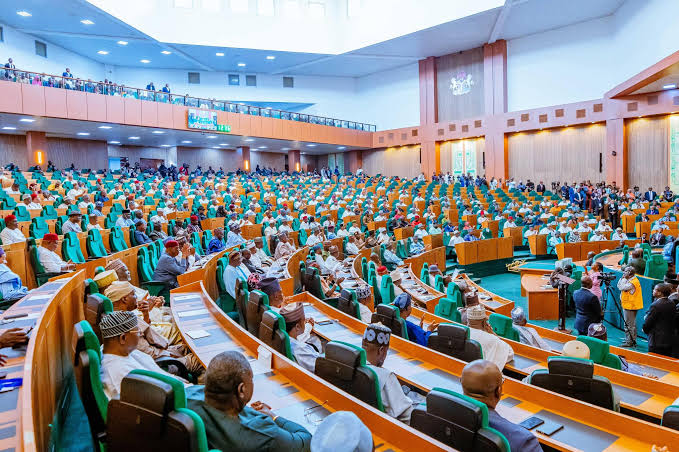

Nigeria’s House of Representatives has begun consultations on establishing a National Real Estate Regulatory Authority (NRERA) to strengthen oversight of the property market, protect homebuyers and tackle fraudulent transactions.
The House hosted a National Stakeholders’ Conference on Monday, November 2, 2026, at the Transcorp Hilton Hotel in Abuja, bringing together policymakers, property developers, investors and legal experts to discuss a proposed regulatory framework for the industry.
The conference was organised by the Office of the Speaker in collaboration with the House Committee on Housing and Habitat, chaired by Abdulmumin Jibrin.
According to a report by WorldStage on November 2, the proposed authority is expected to introduce a coordinated regulatory structure for Nigeria’s real estate industry, with responsibilities covering the licensing of practitioners, monitoring of developers and enforcement of professional standards.
The initiative comes amid growing concerns over land fraud, multiple sales of the same property, abandoned housing projects and the activities of unqualified operators who collect money from prospective buyers without adequate accountability.
Under the proposed framework, developers and real estate practitioners could be required to register with a central authority, allowing prospective buyers to verify their credentials and obtain information about property projects before making payments.
The proposal also seeks to strengthen digital property records and improve access to ownership information, potentially making it easier to identify questionable land transactions and resolve disputes.
Consumer protection, particularly for Nigerians investing in properties under construction, is another major consideration. Stronger transaction standards and effective dispute-resolution mechanisms could provide additional safeguards for buyers who commit funds before developers complete their projects.
Speaking at the conference, Gbadewole Amos Kayode, vice-chairman of the Real Estate Developers Association of Nigeria (REDAN) in the Federal Capital Territory, supported the initiative, saying a federal licensing framework could help align the industry with international standards.
However, the proposed regulator must address concerns about overlapping responsibilities with existing state institutions, particularly in land administration, title registration and development approvals.
WorldStage reported on November 2 that stakeholders raised concerns about potential bureaucratic bottlenecks and called for coordination between the proposed federal authority and existing state-level housing agencies.
The regulatory proposal also reflects wider industry demands for a national legal framework.
On July 27, 2026, BusinessDay reported that the Housing Development Advocacy Network (HDAN) had unveiled a 20-point reform agenda and called on the National Assembly to enact a National Real Estate Regulation Act.
HDAN Executive Director, Festus Adebayo, said the absence of a comprehensive regulatory framework had encouraged land fraud, fake property schemes, multiple sales of properties and consumer exploitation.
Among the reforms proposed by HDAN were mandatory registration of housing projects before marketing, a digital register of developers and estate agents, escrow accounts for off-plan developments and stronger consumer protection mechanisms.
The proposals highlight the growing demand for greater transparency and accountability in Nigeria’s property market.
If translated into effective legislation, the proposed NRERA could improve confidence in property transactions, strengthen professional standards and support investment in the housing sector.
However, its success will depend on the final provisions of the proposed law, the division of responsibilities between federal and state authorities, and the ability of the regulator to enforce compliance without introducing excessive costs for developers and homebuyers.
The National Real Estate Regulatory Authority remains a proposal under consideration. The November 2 conference represents a stakeholder consultation, not the establishment of an operational regulatory agency.