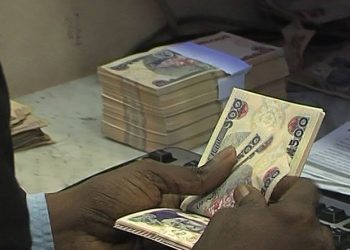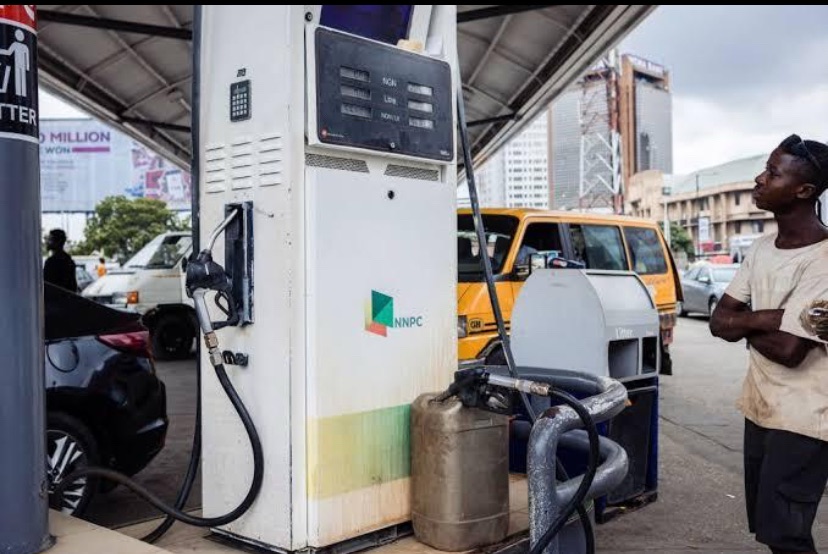

Nigeria may soon experience lower petrol prices as petroleum marketers project that fuel could sell for as low as N1,200 per litre in some parts of the country following a fresh price reduction by Dangote Petroleum Refinery.
The refinery recently reduced its ex-depot, or gantry, price of Premium Motor Spirit (PMS), commonly known as petrol, from N1,250 per litre to N1,175 per litre. The N75 reduction comes as global crude oil prices continue to decline after the United States and Iran reached a peace agreement, easing tensions that had disrupted energy markets for months.
Following Dangote Refinery’s decision, several fuel depots also adjusted their prices downward to around N1,180 per litre. Despite these reductions, many filling stations across the country are still selling petrol at about N1,280 per litre.
Industry operators explained that the delay in reducing pump prices is because many marketers still have old stock purchased at higher rates. Selling those products immediately at lower prices could result in significant financial losses.
In a notice sent to marketers, Dangote Refinery said the new pricing was introduced due to improving conditions in the international oil market. The company also announced a reduction in its coastal supply price, adding that the revised rates took effect from midnight on June 16, 2026.
The refinery assured customers of a steady supply of products and stated that all outstanding orders yet to be delivered would be recalculated using the new pricing structure.
Speaking on the development, the National Publicity Secretary of the Independent Petroleum Marketers Association of Nigeria (IPMAN), Chinedu Ukadike, said motorists should expect lower prices within days. According to him, petrol could sell between N1,200 and N1,250 per litre in Lagos, while prices in locations farther from supply centres may remain slightly higher, around N1,300 per litre.
Ukadike urged Nigerians to be patient, explaining that marketers need time to clear existing inventories before introducing cheaper products into the market. He noted that whenever Dangote Refinery announces a new price, fuel loading activities often slow down temporarily as dealers adjust to the changes.
He expressed confidence that pump prices would begin reflecting the new rates as fresh supplies enter the market.
Meanwhile, the Petroleum Products Retail Outlet Owners Association of Nigeria (PETROAN) raised concerns over the competitiveness of locally refined fuel. Its spokesperson, Joseph Obele, argued that some imported petroleum products appear cheaper than locally produced fuel and called on regulators to approve more import licences.
The latest development follows a significant decline in global oil prices. During the three-month conflict between the United States and Iran, crude oil prices rose above $100 per barrel and at some points exceeded $120 per barrel. This pushed petrol prices in Nigeria from around N830 per litre to nearly N1,300 per litre.
However, with the conflict now resolved and the Strait of Hormuz reopened, oil prices have dropped sharply. Brent crude, the international oil benchmark, fell from about $87 per barrel to around $78 per barrel within days.
Industry experts believe that if global crude prices continue to decline and the peace agreement remains in place, petrol prices in Nigeria could fall even further in the coming weeks, providing relief for consumers and businesses struggling with high transportation and energy costs.