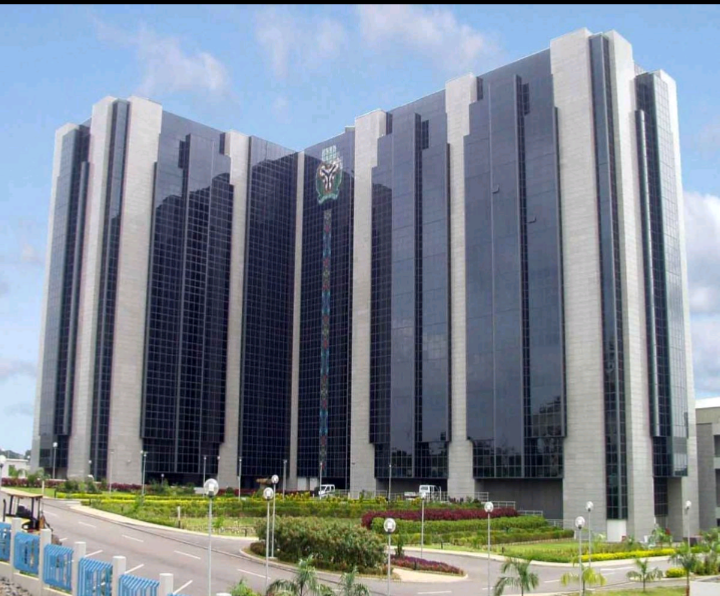

The Central Bank of Nigeria (CBN) has returned to the S4 platform for its latest Treasury Bills (T-Bills) auction, targeting N365 billion in short-term government debt.
This return marks a renewed use of the bank’s S4 electronic system: the Secure Software for Settlement System, to manage bid submissions and settlement processes in the auction.
The S4 platform was first introduced to streamline how investors place bids for government securities and settle transactions. However, it was briefly paused after earlier use, making this week’s auction the S4 system’s return as the mandated interface for delivering bids.
Under the revised process, investors must submit their bids electronically through S4 during specified windows. The system was designed to improve operational efficiency by centralising bidding, reducing manual processes, improving settlement speeds, and enhancing transparency in the auction process.
For this auction, the N365 billion figure includes various T-Bills across standard maturities typically offered in the Nigerian primary market such as 91-day, 182-day, and 364-day instruments.
By returning to S4, the CBN resumes a more technology-centric approach to government securities issuance, an approach that authorities hope will modernise and streamline the fixed-income primary market.
Market players, including banks, fund managers, and institutional investors have been preparing for this shift, with systems and bidding processes aligned to the S4 interface. A more integrated electronic tool allows for faster bid captures, automated processing, and near real-time confirmation of transactions.
The broader goal of the system is to reduce operational friction and improve the fairness and efficiency of auctions in Nigeria’s domestic debt market. Before the S4, submissions were often routed through multiple channels with varying degrees of manual work, which sometimes led to delays and reconciliation issues.
The reactivation of S4 comes as part of a wider set of reforms in how the CBN, and by extension Nigeria, manages its government securities markets. Analysts say that greater reliance on digital infrastructure like S4 reflects global best-practice standards, aligning auction processes with comparable systems in more developed financial markets.
However, the reforms have not been without discussion among market participants. Some industry observers note that centralising bidding and settlement processes under the CBN’s system could change the role of traditional market intermediaries, such as primary dealers and brokers, in future auctions.
Despite these debates, the official stance from the CBN and debt managers is that a digital platform like S4 will help reduce paperwork, standardise data flows, and cut down on errors that sometimes occur when multiple entry points for bids exist.
For investors, a key practical benefit lies in how quickly submissions can be made and confirmed, and how settlements can be executed without delays that used to occur under an older regime of mixed manual and electronic processes.
The return to the S4 platform also supports the Dutch auction system commonly used in these primary market T-Bills auctions, where bidders submit rates and quantities, and the central bank determines stop rates and allotments based on overall demand.
Overall, this move signals a push toward a more digital, transparent, and reliable fixed-income market infrastructure, one where both institutional and, indirectly, retail investors can engage with government paper more seamlessly.
This shift could impact Nigeria’s broader economy by influencing interest rates on government debt and affecting liquidity in the banking system, as T-Bills compete with private lending. Greater efficiency and transparency in auctions may strengthen investor confidence, potentially lowering borrowing costs and supporting macroeconomic stability amid ongoing fiscal pressures.