
Saudi Arabia, Russia and five other major members of the OPEC+ alliance have agreed to increase oil production by 188,000 barrels per day starting in September. The decision was reached during an online meeting on Sunday as the group continues to adjust its output strategy while dealing with ongoing disruptions in global oil exports caused by tensions in the Middle East.
According to a joint statement released after the meeting, the seven participating countries approved the production increase as part of their plan to gradually restore oil supplies to the global market.
The countries involved in the agreement are Saudi Arabia, Russia, Iraq, Kuwait, Kazakhstan, Algeria, and Oman. The increase marks another step in reversing the voluntary production cuts that OPEC+ introduced over the past few years to support oil prices.
Energy analysts had expected the move, saying it was in line with the group’s earlier plans. However, experts believe the immediate effect on global oil prices may be limited because oil exports are still being affected by instability in the Middle East.
Jorge Leon, an analyst at Rystad Energy, explained that OPEC+ has now completed the process of reversing its voluntary production cuts. He noted that the next challenge for the group will be managing any excess oil supply that may enter the market once export routes return to normal.
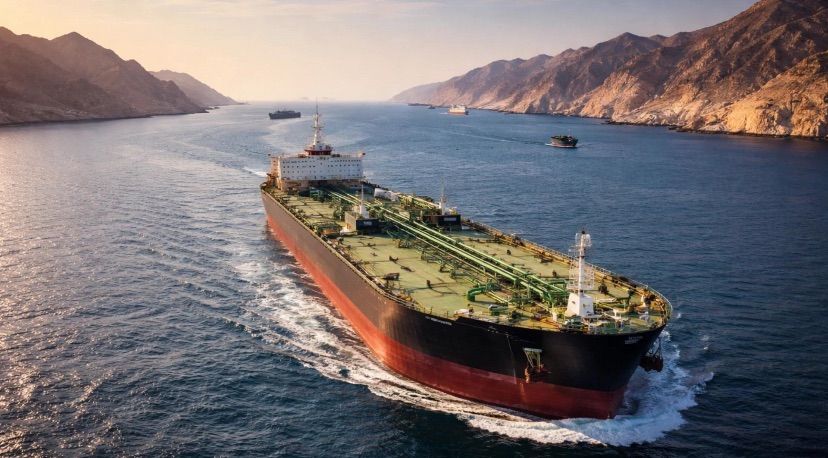
Leon added that the current restrictions in the Strait of Hormuz, one of the world’s most important oil shipping routes, continue to slow exports. During the recent Middle East conflict, Iran disrupted traffic through the waterway, making it difficult for Gulf countries to increase their oil shipments despite a temporary improvement after a U.S.-Iran understanding reached in June.
Another challenge facing OPEC+ is that several member countries are unable to produce enough oil to meet their official production targets. UBS analyst Giovanni Staunovo said declining production capacity in some countries has made higher output targets less meaningful since actual production remains below those levels.
The September increase also completes the reversal of the second of three production-cut packages that OPEC+ introduced between late 2022 and 2023. At that time, the alliance reduced production by nearly six million barrels per day to prevent oil prices from falling sharply.
Since 2025, however, the group has gradually shifted direction by increasing production as market conditions improved. Before leaving the alliance in May, the United Arab Emirates had also participated in this strategy.
Despite the latest agreement, uncertainty remains over how quickly some countries can actually raise production. Iraq has expressed interest in significantly increasing its oil output, while Russia continues to face challenges caused by repeated Ukrainian drone attacks on its oil facilities. These attacks have kept Russian production at around nine million barrels per day, below its target of 9.8 million barrels per day.
Analysts at DNB Carnegie believe OPEC+ could face difficult negotiations over future production quotas beginning next year. With the latest increase now approved, the alliance is expected to focus on balancing supply with global demand while preparing for quota discussions leading into 2027.
Although some observers have questioned the group’s unity following the United Arab Emirates’ exit, analysts believe OPEC+ remains stable for now. However, they also warn that maintaining cooperation among members could become more challenging as countries push for larger production shares in the future.