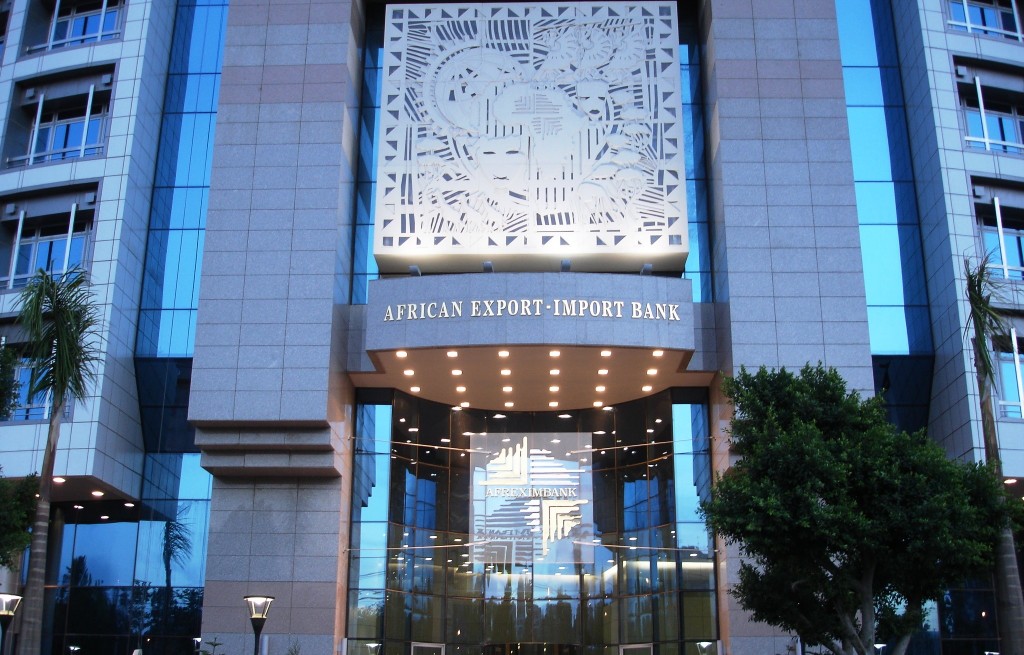

President Bola Tinubu has called on the African Export-Import Bank (Afreximbank) to strengthen its role in accelerating Africa’s industrialisation by mobilising the continent’s financial, human and natural resources to support value-added production and long-term economic transformation.
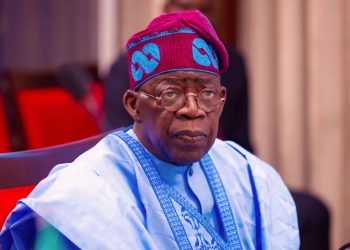
Speaking on Tuesday while receiving a delegation from Afreximbank led by its President and Chairman, Dr George Elombi, at the State House in Abuja, Tinubu said Africa must move beyond exporting raw materials and instead prioritise domestic processing and manufacturing to unlock higher economic value.
“We have what it takes to build this continent. We cannot continue to export raw materials without value addition,” the President said, urging the pan-African lender to expand investment guarantees for strategic industries, including battery manufacturing that leverages Africa’s vast lithium reserves.
Tinubu also called for stronger collaboration between Afreximbank and the Bank of Agriculture to boost investment across agricultural value chains. He identified cocoa, palm kernel and palm oil processing as sectors with significant potential to generate jobs, increase export earnings and improve Nigeria’s industrial competitiveness.
The President said his administration’s economic reforms—including the removal of petrol subsidies and the unification of Nigeria’s foreign exchange market—were designed to improve macroeconomic stability, eliminate market distortions and create a more attractive environment for domestic and foreign investment.
Afreximbank President Dr George Elombi said the bank has committed between $15 billion and $20 billion to projects in Nigeria over the past five years, making the country one of the institution’s largest investment destinations. According to him, the financing spans trade, agriculture, healthcare, energy and critical infrastructure.
Elombi also announced a $2 billion financing programme for Nigeria’s cotton and garment industry, describing the initiative as part of the bank’s broader strategy to strengthen local manufacturing, reduce dependence on imports and expand non-oil exports.
He added that Afreximbank continues to support major infrastructure projects, including the Lagos-Calabar Coastal Highway and the Kano-Maradi railway, investments expected to improve regional connectivity, facilitate trade and lower logistics costs across West Africa.
The meeting underscores the Nigerian government’s renewed focus on industrialisation as a cornerstone of its economic agenda. Analysts say expanding value addition in agriculture and mining, backed by long-term development finance, could diversify export earnings, strengthen manufacturing and reduce the economy’s dependence on crude oil revenues, provided reforms are consistently implemented and supported by adequate infrastructure and private-sector investment.