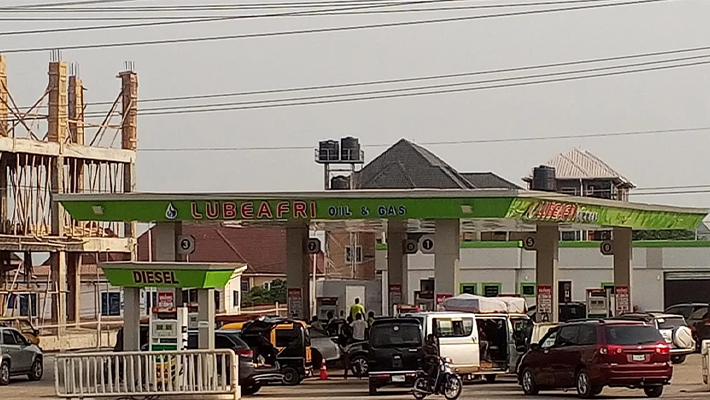

Petrol prices have risen sharply across Nigeria, placing fresh strain on households and businesses at a moment when inflation had shown tentative signs of moderating. The increase followed Dangote Petroleum Refinery’s decision to raise its ex-depot price of Premium Motor Spirit (PMS) from N774 to N874 per litre, triggered by a sustained rally in global crude prices that pushed Brent above $80 per barrel.
In response, retail pump prices climbed to between N925 and N970 per litre in several locations, with market analysts projecting a possible rise to N1,000 if crude prices remain elevated. In Lagos, petrol now sells for N935 to N940 per litre, up from approximately N830 previously, while Abuja prices range between N960 and N975 per litre. Diesel prices have also increased by N170 to an ex-depot rate of N1,050 per litre, translating to pump prices of N1,100 to N1,150 at private depots in Lagos.
The catalyst for the price surge is escalating geopolitical conflict in the Middle East. US and Israeli strikes on Iran under “Operation Epic Fury” disrupted oil shipments through the Strait of Hormuz, through which approximately 20 percent of the world’s crude passes. Fears of supply disruptions have embedded a significant risk premium in global prices, with Brent crude climbing above $83 per barrel.
A senior Dangote Refinery official attributed the revision to “heightened volatility in global crude oil markets and rising replacement costs.” The refinery temporarily suspended petrol loading operations as international prices surged, with several private depot owners following suit to avoid selling below replacement cost. The development underscores the sensitivity of Nigeria’s fully deregulated downstream sector to global crude swings. Increased crude costs are now immediately reflected in refined product prices and passed directly to consumers.
For Nigeria’s economy, the price increase carries contradictory implications. Higher crude prices boost export earnings and federation account inflows, but the country’s continued reliance on imported refined products means these gains are partially offset by increased landing costs for petrol and diesel. Manufacturers, transporters, and healthcare providers face elevated operating costs from higher diesel prices, threatening renewed inflationary pressure. The social listening briefing published by BusinessDay notes that industry groups including PETROAN and CORAN are urging the government to expand the Naira-for-Crude initiative, arguing that selling more crude to local refineries in Naira would insulate domestic prices from foreign exchange volatility and global market swings.