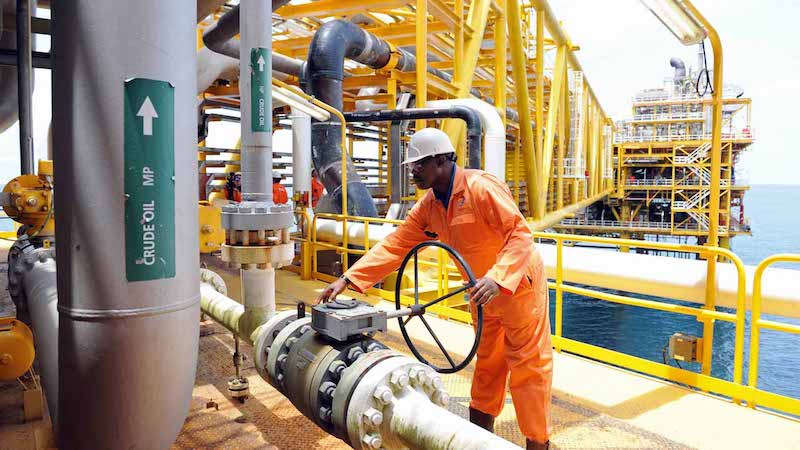

Oil producers in Nigeria are accelerating production expansion plans as escalating geopolitical tensions in the Middle East tighten global crude supply expectations and revive investor interest in African energy assets.
The renewed instability across key oil-producing regions has pushed international benchmark crude prices higher in recent weeks, creating an opportunity for Nigerian upstream operators to increase output, improve revenues, and attract fresh capital into exploration and production projects.
Industry executives say indigenous energy companies are intensifying drilling campaigns, reactivating dormant wells, and pursuing infrastructure upgrades to capitalize on stronger oil market fundamentals. The push comes as Nigeria seeks to stabilize production above 1.7 million barrels per day and strengthen foreign exchange earnings amid broader economic reforms.
Several local producers are also moving to expand offshore and onshore operations following recent asset acquisitions from international oil majors seeking to streamline portfolios and reduce exposure to security and environmental risks in the Niger Delta.
Analysts note that the Middle East conflict has heightened concerns over possible disruptions to global crude supply routes, particularly through strategic shipping corridors. That uncertainty has increased demand for alternative sources of crude, positioning Nigeria and other African exporters as potential beneficiaries.
Higher oil prices could provide a fiscal cushion for Africa’s largest economy, where energy exports account for the bulk of foreign exchange inflows and government revenues. Economists, however, caution that sustained gains will depend on Nigeria’s ability to address long-standing operational challenges, including pipeline vandalism, oil theft, regulatory uncertainty, and underinvestment in infrastructure.
The expansion drive also aligns with broader efforts by the federal government to revive investor confidence in the petroleum sector following the implementation of the Petroleum Industry Act, a sweeping reform package designed to improve transparency and attract private capital.
Energy market observers say Nigerian producers are increasingly under pressure to maximize near-term production while global demand remains resilient. At the same time, international oil companies and traders are reassessing supply diversification strategies as geopolitical risks reshape energy trade flows.
Some operators are already reporting improved production efficiency and stronger cash flows, aided by firmer crude prices and increased export demand from Europe and Asia. Market participants expect further investment announcements in the coming months if oil prices remain elevated.
Still, risks remain. A prolonged Middle East conflict could fuel inflationary pressures globally, weaken consumer demand, and increase volatility across commodity markets. For Nigeria, the challenge will be converting temporary market advantages into long-term production stability and sustainable sector growth.