
Nigeria has taken another step toward expanding its renewable energy sector after signing a new partnership agreement with energy companies from the United Kingdom and Turkey.
The agreement was sealed through a Memorandum of Understanding (MoU) involving the National Committee on Energy Efficiency, Innovation and Certification (NCEEIC), Altimapa Limited from the UK, Alfa Solar Energy from Turkey, and Peninsula Corporate Finance, also based in Turkey.
The deal was signed during an official visit by a Nigerian delegation to Turkey as part of efforts to strengthen international cooperation in clean energy development.
According to a statement released in Abuja by the National Coordinator of NCEEIC, Mr. Nwadavid Chijioke, the partnership will focus on several renewable energy projects aimed at improving electricity access and boosting local energy infrastructure across Nigeria.
One of the major highlights of the agreement is the planned establishment of a Solar PV Quality Assurance Laboratory in Nigeria. The laboratory is expected to help improve standards and ensure the quality of solar products used within the country’s renewable energy industry.
Officials explained that the laboratory would support testing and certification processes for solar panels and related equipment, helping to reduce the circulation of substandard products in the market.
The partnership will also support the deployment of solar power solutions in hospitals and healthcare centres. This initiative is expected to provide more stable electricity supply to medical facilities, especially those located in rural and underserved communities where power shortages remain a major challenge.
Experts believe reliable electricity in hospitals could improve healthcare delivery, preserve medical supplies, and support the operation of essential equipment.
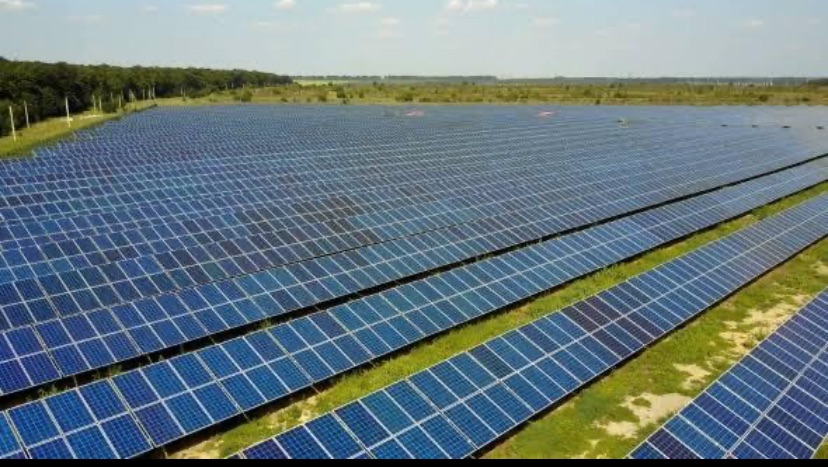
In addition to healthcare projects, the agreement includes plans for the development of utility-scale solar farms. These large solar power projects are expected to increase Nigeria’s renewable energy capacity and contribute to the country’s efforts to reduce dependence on fossil fuels.
The parties involved are also discussing opportunities for local solar manufacturing. This could encourage technology transfer, create jobs, and reduce Nigeria’s dependence on imported solar equipment.
The statement noted that the partnership aligns with Nigeria’s broader goals of promoting clean energy, improving electricity access, and supporting sustainable economic growth.
Officials added that the collaboration reflects ongoing international efforts to support renewable energy development in Nigeria and across Africa.
Nigeria has continued to seek alternative energy solutions as many communities and businesses face unreliable electricity supply and rising energy costs. Renewable energy, particularly solar power, is increasingly being seen as a practical solution due to the country’s abundant sunlight and growing energy demand.
Industry observers say partnerships like this could help attract foreign investment into Nigeria’s energy sector while accelerating the transition to cleaner and more sustainable power sources.
The new agreement is expected to pave the way for future renewable energy projects and strengthen cooperation between Nigeria and international energy investors.