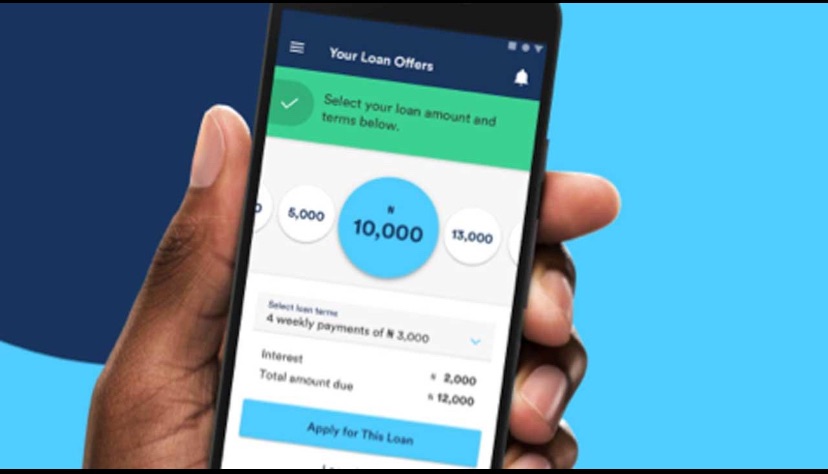

Nigeria’s digital lending industry is undergoing significant changes as loan applications (loan apps) adopt stricter lending policies amid increased regulatory oversight and growing concerns about consumer protection.
Over the past few years, digital loan providers have become a vital source of quick credit for millions of Nigerians who face limited access to traditional bank loans. With just a smartphone and a few personal details, borrowers can obtain loans within minutes. However, the rapid expansion of the sector has also raised concerns over high interest rates, hidden charges, aggressive debt recovery practices, and data privacy violations.
In response, the Federal Competition and Consumer Protection Commission (FCCPC) has intensified its regulation of digital lenders. Licensed loan apps are now expected to comply with strict operational guidelines that promote transparency, fair lending practices, and responsible debt collection. Companies that fail to meet these standards risk being delisted from app stores or facing regulatory sanctions.
Several digital lenders have consequently revised their lending policies. Many now require stronger identity verification through the Bank Verification Number (BVN), National Identification Number (NIN), or facial recognition technology before approving loans. This move is intended to reduce fraud, improve credit assessments, and ensure that loans are extended to verified borrowers.
Loan providers are also placing greater emphasis on credit history. Rather than offering loans solely based on smartphone data or contact lists, many apps now assess customers using credit bureau reports, repayment records, income patterns, and transaction history. Borrowers with consistent repayment histories are increasingly rewarded with higher loan limits, lower interest rates, and longer repayment periods.
Industry experts say these changes reflect the growing maturity of Nigeria’s digital lending ecosystem. Responsible lending practices are expected to reduce loan defaults while building greater confidence among investors and consumers.
Another notable policy shift involves debt recovery. Following widespread criticism of lenders that publicly shamed defaulters by contacting friends, relatives, or employers, regulators have prohibited such practices. Licensed loan apps are now required to use lawful and ethical recovery methods that respect borrowers’ privacy and comply with Nigeria’s data protection regulations.
Interest rate disclosure has also become a key focus. Many digital lenders now provide clearer information on loan costs, repayment schedules, penalties, and applicable fees before customers accept loan offers. Consumer advocates believe this transparency will enable borrowers to make more informed financial decisions.
Despite these improvements, industry stakeholders acknowledge that challenges remain. Rising inflation, increasing default rates, and economic uncertainty continue to influence lending decisions. As a result, some loan apps have reduced the amount available to first-time borrowers or shortened repayment periods to manage risk.
Financial analysts believe that regulation will ultimately strengthen the industry by eliminating unethical operators while encouraging responsible innovation. They also expect increased collaboration between fintech companies, commercial banks, and credit bureaus to improve access to affordable credit for individuals and small businesses.
As Nigeria’s digital finance sector continues to evolve, the balance between expanding financial inclusion and protecting consumers will remain a key priority. For borrowers, understanding the terms and conditions of digital loans and borrowing responsibly will be essential, while lenders will be expected to maintain transparency, fairness, and compliance in an increasingly regulated market.