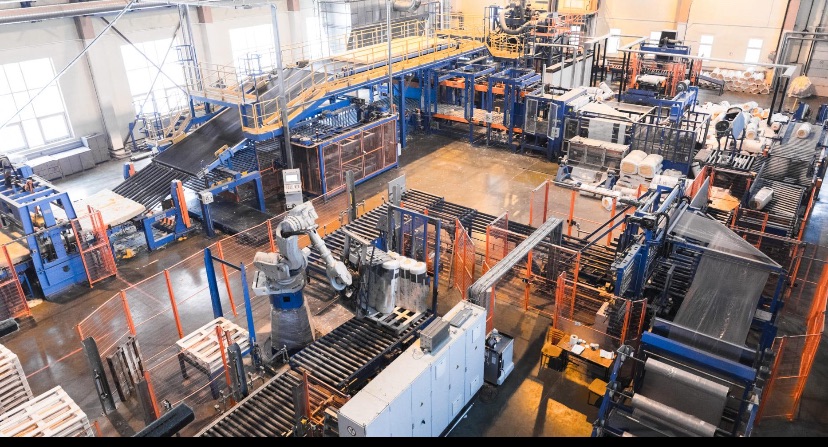

Many countries are looking for ways to reduce their dependence on imported goods, and local manufacturing is becoming an important part of that plan. Governments, business owners, and investors believe producing more goods at home could strengthen the economy, create jobs, and reduce spending on foreign products.
For many years, businesses have relied heavily on imported raw materials, machinery, and finished goods because they were often cheaper or easier to source. However, global supply chain disruptions, rising shipping costs, and changing exchange rates have made imports more expensive. As a result, many companies are now exploring the benefits of manufacturing products locally.
Local manufacturing offers several advantages. One of the biggest benefits is job creation. When factories are built or expanded, they require workers in production, logistics, maintenance, marketing, and management. This creates employment opportunities and helps improve household incomes, which can also increase consumer spending in the local economy.
Another advantage is faster product delivery. Businesses that manufacture locally can reduce the time it takes to move products from the factory to customers. This helps companies respond more quickly to market demand while reducing transportation costs and delays caused by international shipping.
Manufacturing within the country can also support small and medium-sized enterprises (SMEs). Local suppliers of packaging, raw materials, transportation, and maintenance services often benefit when manufacturing activity increases. This creates stronger business networks and encourages economic growth across different industries.
Despite these benefits, local manufacturing still faces several challenges. High production costs remain one of the biggest obstacles. Many manufacturers struggle with expensive electricity, rising fuel prices, limited access to affordable financing, and outdated equipment. These factors can make locally produced goods more expensive than imported alternatives.
Access to quality raw materials is another concern. Some industries still depend on imported components because they are not available locally. This means businesses may continue to rely on foreign suppliers until domestic industries become more developed and capable of meeting demand.
Experts also point out that investment in technology is essential for local manufacturing to succeed. Modern factories require advanced machinery, digital production systems, and skilled workers to produce high-quality goods that can compete with international products. Businesses that invest in innovation are more likely to improve efficiency and lower production costs over time.
Governments are also playing an important role by introducing policies that encourage local production. Tax incentives, financial support, infrastructure development, and training programs are helping manufacturers expand their operations. Some countries are also promoting “buy local” campaigns to encourage consumers to support products made within their own borders.
Consumers have an important role to play as well. If locally manufactured goods offer good quality and competitive prices, more people may choose to buy them. Increased demand can encourage businesses to expand production and invest in better equipment, creating a positive cycle of growth.
While local manufacturing may not completely replace imports, it has the potential to reduce dependence on foreign goods in several industries. A balanced approach that combines local production with strategic imports could help businesses remain competitive while strengthening the economy.
As industries continue to invest in local production, many business leaders believe that manufacturing closer to home will play a key role in building a stronger, more resilient economy for the future.