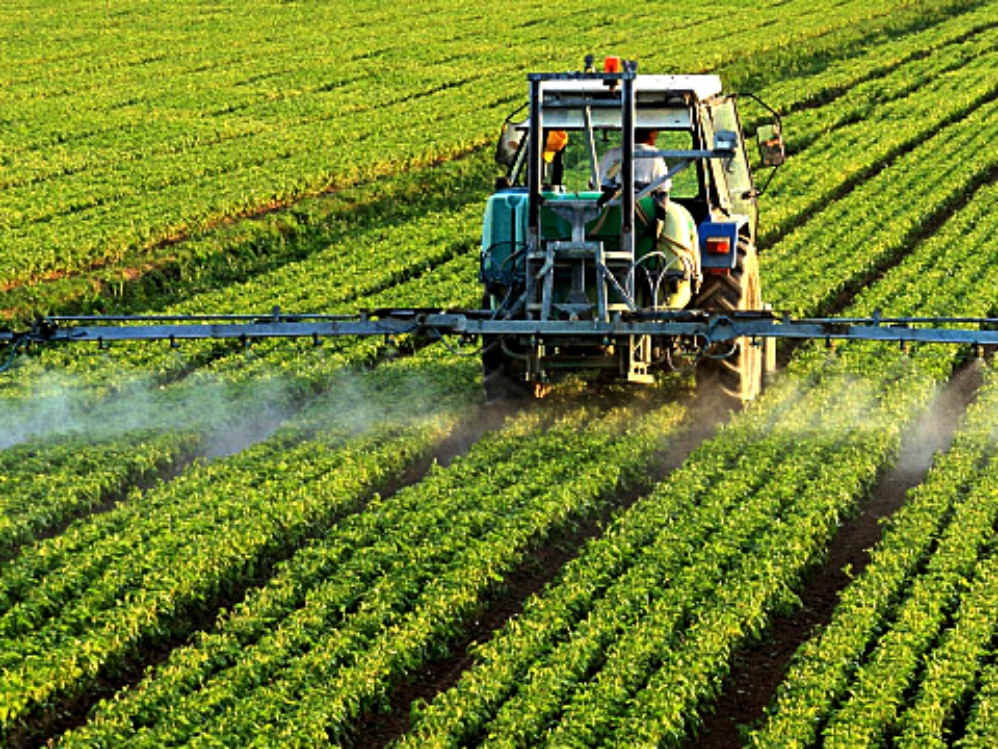

Nigeria’s push to transform agriculture into a technology-driven business is gathering pace, as government agencies, development partners and private organisations increase investments aimed at tackling youth unemployment while strengthening the country’s food security.
A series of initiatives launched over the past year underscores a growing shift from traditional subsistence farming to modern agribusiness, with thousands of young Nigerians receiving training, startup support and access to financing in high-value agricultural value chains. The strategy reflects a broader effort to position agriculture as a commercial enterprise capable of generating employment, attracting investment and diversifying Africa’s largest economy away from oil dependence.
The latest milestone came on July 13, 2026, when Agrisiti, in partnership with the Mastercard Foundation, the University of Port Harcourt and the Regional Universities Forum for Capacity Building in Agriculture (RUFORUM), concluded the AquaRice 360 Pitch Competition.
The 12-week programme trained 3,591 young Nigerians across Ogun, Enugu, Cross River, Rivers, Bayelsa, Kano and Niger states in climate-smart agriculture, agribusiness management, entrepreneurship and business innovation focused on the rice and aquaculture value chains.
Participants combined digital learning with field demonstrations, mentorship and business development support before presenting commercially viable solutions during the final pitch competition. Winning teams included Green Coal Initiative (Niger), AgroAqua Innovators (Ogun), Aqua Drift (Bayelsa), RIV Farm (Rivers), Agri Nourisha Limited (Enugu), AgroFusion (Cross River) and Egodinula Farms & General Enterprises (Kano).
“Our commitment to empowering the next generation of agricultural entrepreneurs remains unwavering,” said Agrisiti Chief Executive Officer Joseph Ante, adding that strategic partnerships are helping young Nigerians build sustainable agribusinesses while contributing to food security and economic development.
Beyond skills development, investors are increasingly backing youth-led agricultural innovation. Through Heifer International’s AYuTe Africa Challenge Nigeria, three agritech startups shared $40,000 in grant funding in 2025 after emerging from more than 1,000 applicants. The competition has since reopened for its 2026 edition with another $40,000 in grants, reflecting continued confidence in technology-enabled agriculture. Since launching in 2022, the initiative has attracted more than 2,000 applications from young innovators.
Government-backed financing is also expanding. In July 2026, the Federal Government launched the $500 million Niger Delta Agricultural Investment Fund, a commercially managed investment vehicle targeting aquaculture, fisheries, livestock, palm oil and crop production across the oil-producing region.
Complementing that effort, the World Bank approved a $500 million International Development Association (IDA) credit for the Nigeria Sustainable Agricultural Value-Chains for Growth (AGROW) Project. The programme aims to improve smallholder productivity, strengthen agricultural value chains and create jobs by supporting priority crops including rice, maize, soybean and cassava.
The growing pipeline of public and private capital reflects a broader recognition that agriculture must become more attractive to young people. Advances in precision farming, digital technologies and climate-smart production methods are reshaping perceptions of the sector, replacing the image of labour-intensive farming with one centred on innovation and entrepreneurship.
While the progress is encouraging, analysts note that the long-term impact will depend on successful implementation. Training thousands of young people and funding early-stage startups represents an important foundation, but sustained job creation will require easier access to finance, reliable infrastructure, stable markets and effective monitoring to ensure investment funds reach intended beneficiaries.
If these programmes translate into scalable businesses and commercially successful agritech ventures, Nigeria’s agricultural transformation could become a powerful driver of employment, food security and inclusive economic growth.