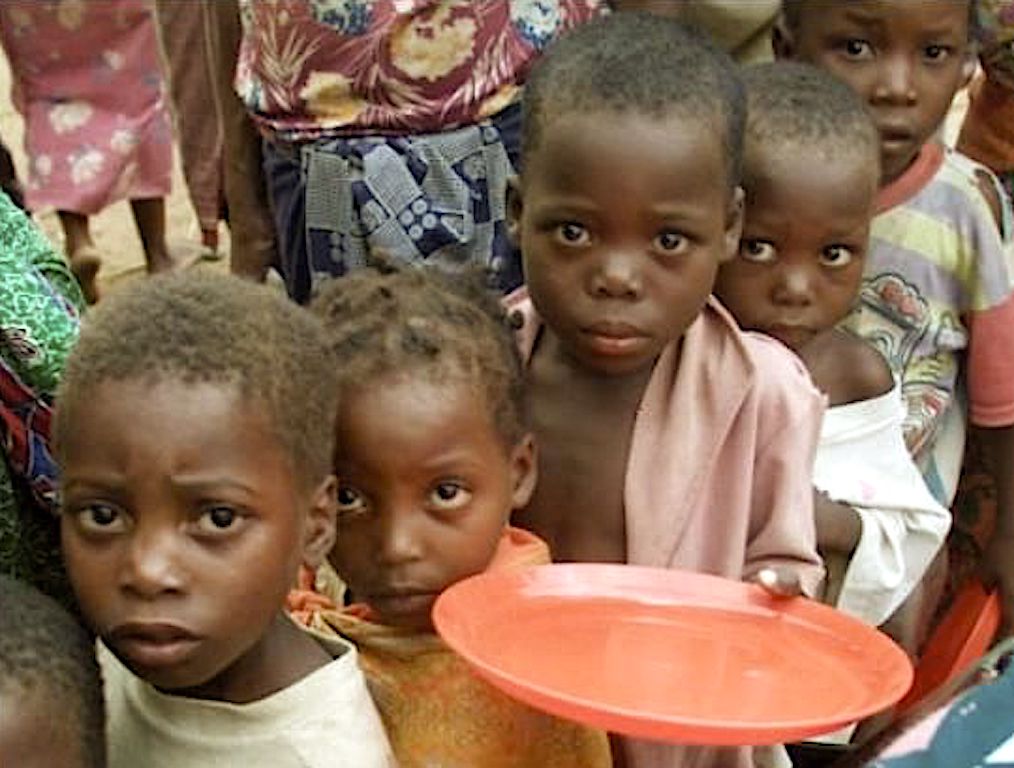

Thousands of people in Nigeria’s conflict-affected northeast are facing the risk of catastrophic food shortages for the first time in nearly a decade, as reductions in humanitarian aid deepen malnutrition and threaten long-term economic stability, the United Nations World Food Programme (WFP) has warned.
According to the WFP, roughly 15,000 people in Borno State, a region long plagued by insurgency, displacement, and disrupted livelihoods, are at immediate risk of starvation. The situation in Nigeria mirrors broader trends across West and Central Africa, where the agency estimates that some 55 million people are currently experiencing severe food insecurity. Nigeria, Chad, Cameroon and Niger account for more than three-quarters of those affected.
The WFP attributed the worsening crisis to funding shortfalls in 2025, which forced the organisation to scale back nutrition programmes in Nigeria, leaving over 300,000 children without critical support. “Reduced funding has pushed vulnerable communities beyond their ability to cope,” said Sarah Longford, WFP’s deputy regional director for West and Central Africa.
Economic and social repercussions of the crisis are likely to be significant. Persistent hunger undermines workforce productivity, erodes human capital, and drives further dependence on humanitarian aid. Children affected by malnutrition face long-term cognitive and physical challenges, which can reduce educational outcomes and limit future economic participation, perpetuating cycles of poverty. At a national level, chronic food insecurity also pressures government budgets, as resources are diverted to emergency relief rather than long-term development.
The broader West and Central African context is equally concerning. In addition to Nigeria, food insecurity in Chad, Cameroon and Niger has been exacerbated by climate shocks, protracted conflicts, and economic pressures, including rising inflation and currency volatility. Insecurity disrupts agricultural production and supply chains, raising local food prices and compounding access challenges for vulnerable households. Analysts warn that without immediate intervention, the food crisis could destabilise local economies and fuel social unrest, particularly in already fragile states.
The WFP estimates that it will require over $453 million in the next six months to sustain relief operations across the region. These funds are needed to maintain emergency rations, support school feeding programmes, provide therapeutic nutrition for malnourished children, and keep supply chains operational in areas where insecurity limits access. Delays in funding could force further cuts, potentially leaving millions more at risk.
The funding shortfall is partly a result of global aid adjustments. Several donor countries, including the United States and the United Kingdom, reduced foreign aid budgets in 2025 to redirect spending toward domestic priorities and defence. While these policy shifts aim to balance national fiscal needs, they have unintended consequences for vulnerable populations in regions already struggling with conflict and economic instability. Experts argue that sustained humanitarian financing is essential not only to save lives but also to preserve economic stability in fragile states.
Nigeria’s northeast has endured over a decade of disruption caused by the Boko Haram insurgency, which has displaced millions of people and destroyed farmland, markets and infrastructure. Rebuilding livelihoods in such an environment is difficult, and food insecurity remains highly sensitive to any reductions in aid or increases in commodity prices. Analysts warn that without sufficient support, a humanitarian crisis could spiral into broader socio-economic instability, affecting migration, labour markets, and regional trade.
In addition to immediate food relief, the WFP is advocating for long-term resilience strategies, including support for local farmers, investment in climate-smart agriculture, and programmes that strengthen community coping mechanisms. Such interventions aim to reduce dependency on humanitarian aid and build sustainable pathways out of poverty. However, with funding already constrained, the WFP emphasises that urgent donor support remains the most critical factor in preventing famine-level conditions.
The unfolding crisis in West and Central Africa underscores the interconnectedness of humanitarian assistance, economic stability, and security. In Nigeria, Chad, Cameroon and Niger, governments and international partners face the challenge of balancing fiscal pressures with the urgent need to protect human capital and prevent widespread suffering. The coming months will be a litmus test for regional food security, with immediate financial support likely determining whether millions can survive this critical period or face the devastating consequences of mass hunger.