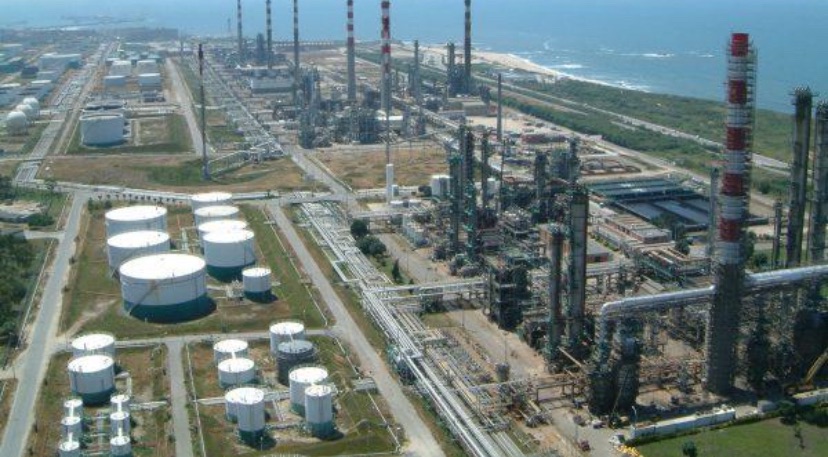

Nigeria’s fuel importers are facing fresh challenges as the cost of importing petrol continues to rise. Higher international fuel prices and increasing shipping costs are making it more expensive to bring petrol into the country. At the same time, the pricing strategy of the Dangote Petroleum Refinery is reducing the chances for importers to compete in the local market.
According to a recent report by S&P Global Commodity Insights, many fuel traders are worried about the rising cost of petrol in the global market. They explained that while international prices are increasing, Dangote Refinery has continued to sell petrol at a lower and stable price. This has made it difficult for importers to make a profit.
One trader quoted in the report said petrol meant for the Ghanaian market is currently more expensive than petrol sold in Nigeria. This is because Dangote’s pricing has effectively placed a limit on how much imported fuel can be sold for in Nigeria. As a result, importers cannot easily increase their prices without losing customers.
The report also revealed that petrol prices in Lomé, Togo, have risen above Dangote Refinery’s selling price. This has ended the opportunity for traders to buy fuel from nearby markets and resell it in Nigeria for a profit. However, the report noted that such opportunities may still exist in Ghana, where market conditions are different.
Although many traders expected Dangote Refinery to increase its petrol prices due to the higher global market rates, the company decided to keep its coastal sales price unchanged. However, the report noted that the refinery’s newly introduced dollar-based pricing system could influence future prices.
Apart from fuel prices, shipping costs have also become a major concern. The report stated that the cost of transporting petroleum products from Europe to West Africa has increased significantly. This is because many ships have changed their routes, reducing the number of vessels available for the region. The higher freight charges have added more financial pressure on importers.
The diesel market is also experiencing challenges. The report said supplies of Russian diesel from the Black Sea region have reduced, making diesel more expensive in West Africa. This has also kept the price difference between different grades of diesel relatively small.
Market data showed that petrol and diesel prices across West Africa remain high, reflecting the combined impact of rising global fuel prices and transportation costs.
Experts believe Nigerian fuel importers may continue to struggle unless international fuel prices and shipping costs fall. Another possible solution would be changes in domestic fuel pricing. For now, Dangote Refinery remains a major influence on Nigeria’s petrol market, with its pricing strategy shaping competition and limiting profitable import opportunities for many fuel marketers.