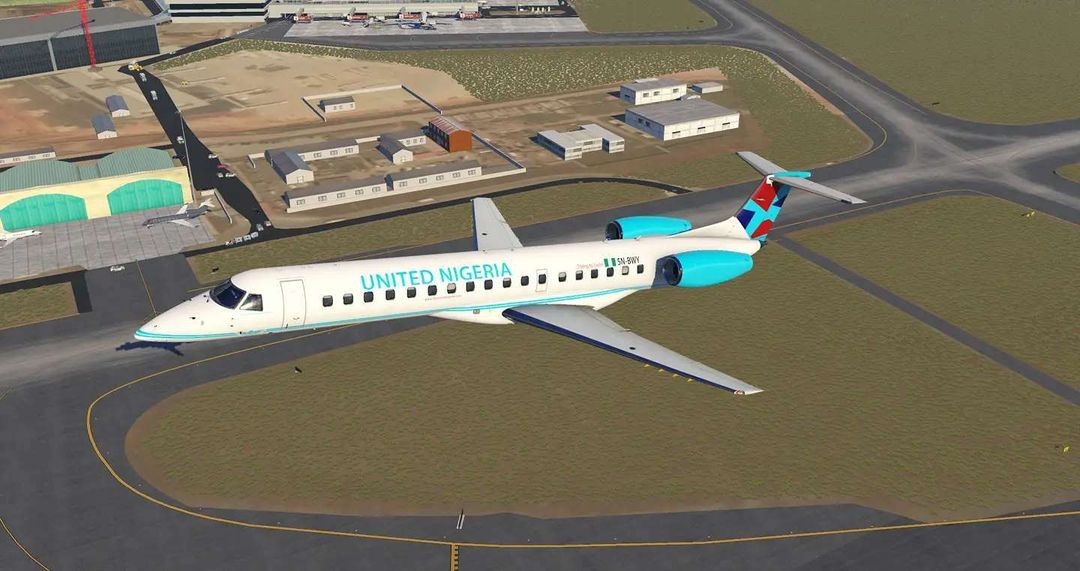

United Nigeria Airlines has called for stronger policy support and targeted interventions to help indigenous carriers navigate mounting operational challenges that continue to strain Nigeria’s aviation sector.
The airline said domestic operators are grappling with a sharp increase in operating expenses, driven by volatile foreign exchange rates, rising fuel prices, aircraft maintenance costs, and infrastructure constraints. Industry stakeholders warn that without sustained support, local carriers may struggle to expand capacity and improve service delivery despite growing demand for air travel across the country.
Speaking on the state of the industry, officials of United Nigeria Airlines emphasized that indigenous airlines play a critical role in enhancing connectivity, facilitating trade, and supporting economic growth. However, they noted that the operating environment remains difficult, particularly as many aviation-related expenses are denominated in foreign currencies while revenues are largely earned in naira.
The aviation industry has faced persistent cost pressures in recent years. Aircraft spare parts, maintenance services, insurance premiums, and leasing obligations are typically paid in dollars, exposing airlines to foreign exchange fluctuations. The depreciation of the naira has significantly increased these costs, forcing operators to review pricing structures and operational strategies.
Industry analysts argue that local airlines require a more supportive policy framework to remain competitive and financially sustainable. Such measures could include improved access to foreign exchange, investment in aviation infrastructure, lower regulatory costs, and incentives aimed at fleet modernization.
United Nigeria Airlines said stronger collaboration between government agencies, regulators, and industry operators would help create a more resilient aviation ecosystem. The carrier stressed that supporting domestic airlines would not only strengthen the sector but also contribute to broader economic objectives, including job creation, tourism development, and regional integration.
Nigeria’s aviation market remains one of the largest in Africa, with increasing passenger traffic driven by business travel and urbanization. However, industry experts note that growth opportunities could be constrained if operational bottlenecks and cost challenges are not addressed.
The call from United Nigeria Airlines comes as stakeholders across the aviation value chain continue to advocate reforms designed to improve efficiency and reduce the financial burden on operators. Analysts say a healthier domestic airline industry could enhance competition, improve connectivity between major commercial centers, and stimulate investment in related sectors.
Looking ahead, the ability of local carriers to sustain growth will depend largely on the success of ongoing efforts to address structural challenges within the industry. For airlines such as United Nigeria Airlines, a combination of supportive government policies, improved infrastructure, and macroeconomic stability may prove essential in ensuring long-term viability and competitiveness.