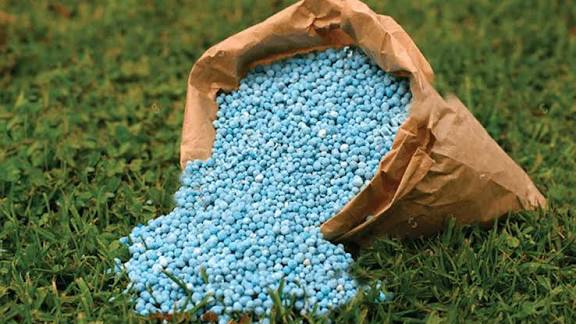

Nigeria is accelerating efforts to reinforce its agricultural base, with the federal government projecting the delivery of a 1.1 million metric tonne fertiliser programme by 2026. The initiative forms part of a broader policy push to strengthen food security, reduce reliance on food imports, and improve farm-level productivity in Africa’s most populous economy.
President Bola Tinubu said the programme remains on track and reflects the administration’s commitment to reposition agriculture as a central pillar of economic growth. The fertiliser drive is expected to play a critical role in addressing longstanding constraints facing Nigerian farmers, including high input costs, inconsistent supply chains, and uneven access to modern farming inputs.
Fertiliser is widely regarded as one of the most significant determinants of crop yields in sub-Saharan Africa, where soil nutrient depletion has constrained agricultural output for decades. By scaling up domestic availability, policymakers aim to lift yields across key staples such as maize, rice, and sorghum, while also supporting cash crops that contribute to export earnings.
Analysts note that the success of the programme will depend not only on production targets but also on distribution efficiency. Nigeria’s fertiliser sector has historically faced bottlenecks, including logistical inefficiencies, weak last-mile delivery networks, and periodic subsidy distortions that have limited access for smallholder farmers. Addressing these structural issues will be critical if the programme is to translate into meaningful gains in food security.
The initiative also aligns with broader fiscal and agricultural reforms aimed at reducing the burden of food imports, which have contributed to foreign exchange pressure in recent years. By improving domestic output, the government hopes to stabilise food prices and ease inflationary pressures that have weighed on household incomes.
Private sector participation is expected to remain central to implementation, with blended financing models and public-private partnerships likely to support production expansion and distribution networks. However, industry stakeholders caution that policy consistency, infrastructure investment, and transparent allocation mechanisms will determine long-term outcomes.
If fully executed, the 1.1 million metric tonne fertiliser programme could mark a significant step toward agricultural self-sufficiency. Yet its impact will ultimately depend on execution capacity, institutional coordination, and the ability to ensure that inputs reach farmers at scale and at affordable prices.