
Wednesday, April 29, 2026
  • Login
No Result
View All Result
The Business Times
  • News
  • BT Exclusive
  • Economy
  • Business
  • Financial Markets
  • Politics
  • Energy
  • Insights
  • Sports
  • News
  • BT Exclusive
  • Economy
  • Business
  • Financial Markets
  • Politics
  • Energy
  • Insights
  • Sports
No Result
View All Result
The Business Times
No Result
View All Result
Home Agriculture

Ivory Coast Farmers Cut Fertiliser Use as Cocoa Output Faces Decline

byAyotunde Abiodun
April 29, 2026
in Agriculture, Africa
0
Ivory Coast Farmers Cut Fertiliser Use as Cocoa Output Faces Decline
2
VIEWS
Share on FacebookShare on Twitter

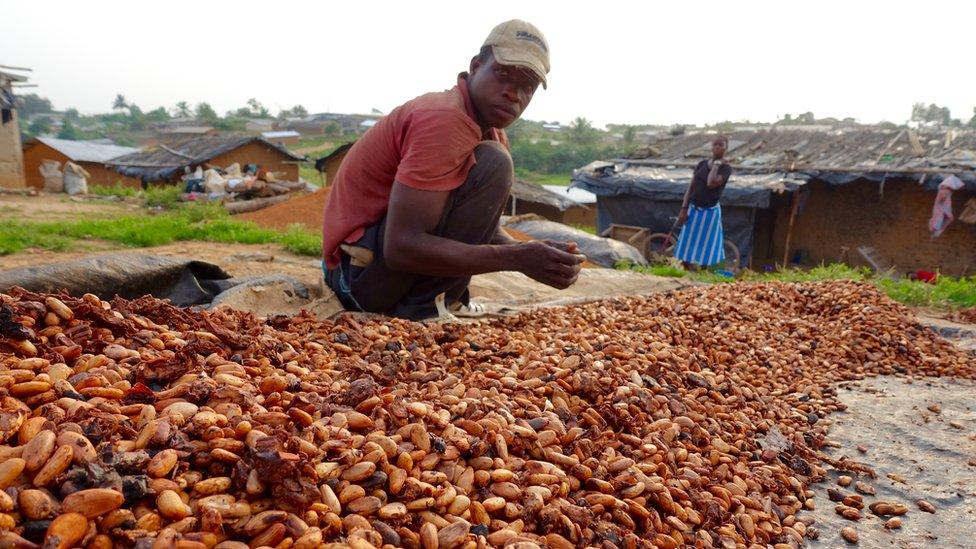
Farmers in Ivory Coast are struggling to access fertilisers, raising serious concerns about future cocoa output in the world’s largest producer of the key chocolate ingredient. A survey by HSAT across major cocoa‑growing regions found that 73 per cent of farmers have not purchased any fertiliser for the next two production cycles. Only a quarter secured some supply, while a mere two per cent said they had enough to maintain healthy yields.

The crisis is driven by two converging forces. Farmers’ incomes have dropped sharply after cocoa prices fell more than 70 per cent from their late‑2024 peak, making fertiliser unaffordable. At the same time, global fertiliser prices have surged due to supply disruptions linked to the conflict in the Middle East, which has affected shipping routes and raised the cost of key inputs such as potash and urea.

Experts warn that poor tree health caused by under‑fertilisation, combined with the risk of an El Niño weather pattern, could further reduce yields. HSAT projects a near five per cent drop in output this year, with more severe declines expected by 2027 if the current conditions persist. For Ivory Coast, which accounts for roughly 40 per cent of global cocoa production, any significant fall in output would have major implications for export earnings, farmer livelihoods and the global chocolate supply chain.

From an economic perspective, the fertiliser crisis highlights the vulnerability of commodity‑dependent economies to price volatility and external shocks. The boom in cocoa prices in 2024 gave farmers a temporary windfall, but without structural investments in storage, credit and input subsidies, the subsequent bust has left them exposed. The government has few tools to cushion the blow: subsidising fertiliser would strain public finances, while allowing prices to fall further would deepen farmer poverty.

The longer‑term risk is that farmers abandon cocoa altogether or reduce maintenance, leading to lower productivity for years. This would affect not only Ivory Coast’s balance of trade but also global cocoa processors and chocolate makers, who would face higher costs and supply uncertainty. The situation underscores the need for more stable mechanisms to smooth commodity cycles and support smallholders through price crashes.

Tags: agricultural inputsCocoa Pricescocoa productioncommodity volatilityEl Niñofertiliser crisisGlobal Supply ChainHSATIvory Coastsmallholder farmers
Ayotunde Abiodun

Ayotunde Abiodun

Next Post
Lagos IPPs to Begin Operations by Early 2027

Lagos IPPs to Begin Operations by Early 2027

Leave a Reply Cancel reply

Your email address will not be published. Required fields are marked *

Recommended

Minister of State for Labour Resigns Ahead of 2027 Elections

Minister of State for Labour Resigns Ahead of 2027 Elections

4 weeks ago

Nigeria’s Data‑Centre Market Poised for Explosive Growth, Could Reach $2.7 Billion by 2035

5 months ago

Popular News

  • Access Holdings Confirms Okoli Retirement Effective April 30

    Access Holdings Confirms Okoli Retirement Effective April 30

    0 shares
    Share 0 Tweet 0
  • FG orders states, FCT set nutrition councils deadline

    0 shares
    Share 0 Tweet 0
  • CAC Launches Ownership Reform Team, Plans Global Summit

    0 shares
    Share 0 Tweet 0
  • Lagos Ports Upgrade Begins Without Disrupting Operations Flow

    0 shares
    Share 0 Tweet 0
  • Naira Slumps to 17‑Day Low as FX Liquidity Dries Up

    0 shares
    Share 0 Tweet 0

Connect with us

Facebook Twitter Instagram TikTok

Newsletter

Pages

  • About Page
  • Contact
  • Privacy Policy
  • Terms & Conditions

Navigation

  • News
  • BT Exclusive
  • Economy
  • Business
  • Financial Markets
  • Politics
  • Energy
  • Insights
  • Sports

© 2025 The Business Times NG .

Welcome Back!

OR

Login to your account below

Forgotten Password?

Retrieve your password

Please enter your username or email address to reset your password.

Log In
No Result
View All Result
  • Home
  • News
  • BT Exclusive
  • Economy
  • Business
  • Financial Markets
  • Politics
  • Energy
  • Insights
  • Sports

© 2025 The Business Times NG .