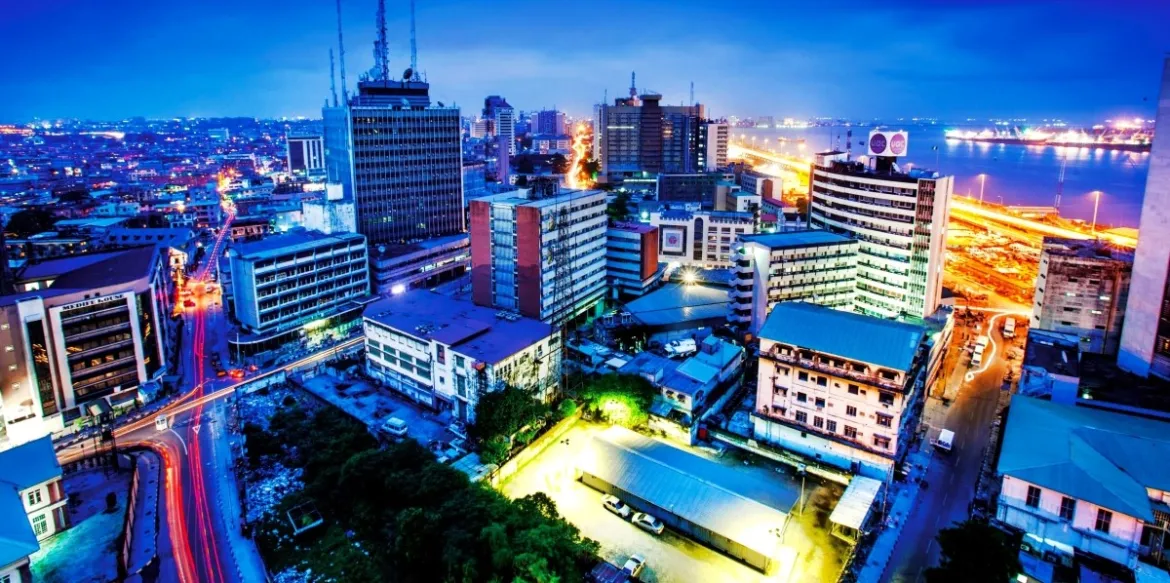

Lagos State’s first state‑licensed independent power producers are expected to begin operations between 2026 and early 2027, marking a major step in Nigeria’s decentralised electricity reform under the Electricity Act 2023 and the Lagos State Electricity Law 2024. The announcement, made at the BusinessDay Energy Conference 2026, signals the state’s determination to move beyond reliance on the national grid and attract private capital into its power market.
Governor Babajide Sanwo‑Olu, represented by Energy Commissioner Biodun Ogunleye, disclosed that the projects would target high‑demand areas such as industrial hubs and critical infrastructure. Lagos has already signed power purchase agreements with three IPPs, aiming to boost generation capacity by between 200MW and 400MW. Having completed its transition to a state‑controlled electricity market in 2025, Lagos is now positioning itself as a leader in subnational energy governance.
The governor stressed that entities operating within the state currently spend an estimated $2.7 billion annually on self‑generation using diesel and petrol generators. That figure represents a significant drain on business operating costs and household disposable income, as well as a source of environmental pollution. Replacing even a fraction of that expenditure with grid‑quality electricity from IPPs could free up capital for productive investment and improve the state’s competitiveness.
From an economic standpoint, the IPP initiative addresses a critical infrastructure gap that has long constrained growth in Africa’s largest city. Manufacturing, logistics, and technology firms frequently cite unreliable power as a top operational risk. The ability to procure electricity directly from licensed state‑based IPPs offers a predictable tariff and more stable supply, potentially attracting new industries to Lagos and encouraging existing ones to expand.
The success of the model will depend on effective regulation, transparent tariff setting, and the resolution of gas supply challenges. Lagos does not produce its own gas but relies on pipelines from the Niger Delta. Ensuring that IPPs receive uninterrupted fuel will require coordination with federal authorities and gas producers. Nonetheless, the state’s proactive licensing and signing of power purchase agreements sends a strong signal to investors that Lagos is serious about energy reform.