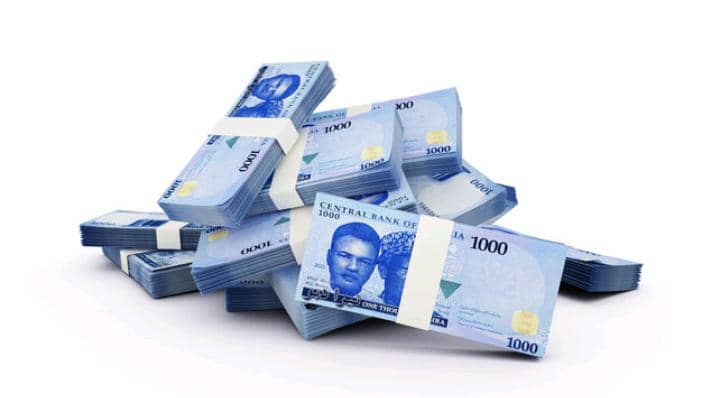

The Nigerian naira has gained ground against the euro, now trading at “N1,715/€” in the official market, up from “N1,729/€” at the end of September, according to fresh data. This upward move arrives as France wrestles with mounting political and economic turmoil in 2025.
France’s crisis has deepened, marked by relentless nationwide protests, strikes, and a fractured parliament following a snap legislative election. The country’s leadership has also been unstable: Sébastien Lecornu was appointed Prime Minister on September 9, only to resign on October 6 after unveiling his cabinet. His abrupt departure intensified market fears, pushing French borrowing costs higher and dragging down the CAC 40 by over 1.3 percent.
Earlier, François Bayrou was removed as France’s prime minister after approximately nine months in office, largely due to controversial austerity plans in the new budget. These fiscal measures ignited widespread outcry. In fact, Moody’s responded by downgrading France’s credit rating, citing risks of fiscal disarray.
The political instability in France has prompted investors to abandon the euro in favor of safer assets. This shift indirectly benefits currencies like the naira. Meanwhile, the Nigerian currency is supported by domestic reforms, better dollar inflows, and a relative edge over Europe, where debt concerns are mounting and France’s debt-to-GDP ratio now exceeds 110 %.
At home, Nigeria has seen a boost in foreign reserves (now at $43 billion) and has strengthened its foreign exchange framework. The Central Bank of Nigeria (CBN) has pushed reforms—such as merging multiple exchange rates, introducing the FX Code, and launching the Electronic Foreign Exchange Matching System—to clean up the FX market. These changes aim to reduce speculative pressures and ease the $7 billion FX backlog.
Globally, the U.S. dollar is rallying to a two‑month high, buoyed by concerns in Europe, especially around France’s political chaos.