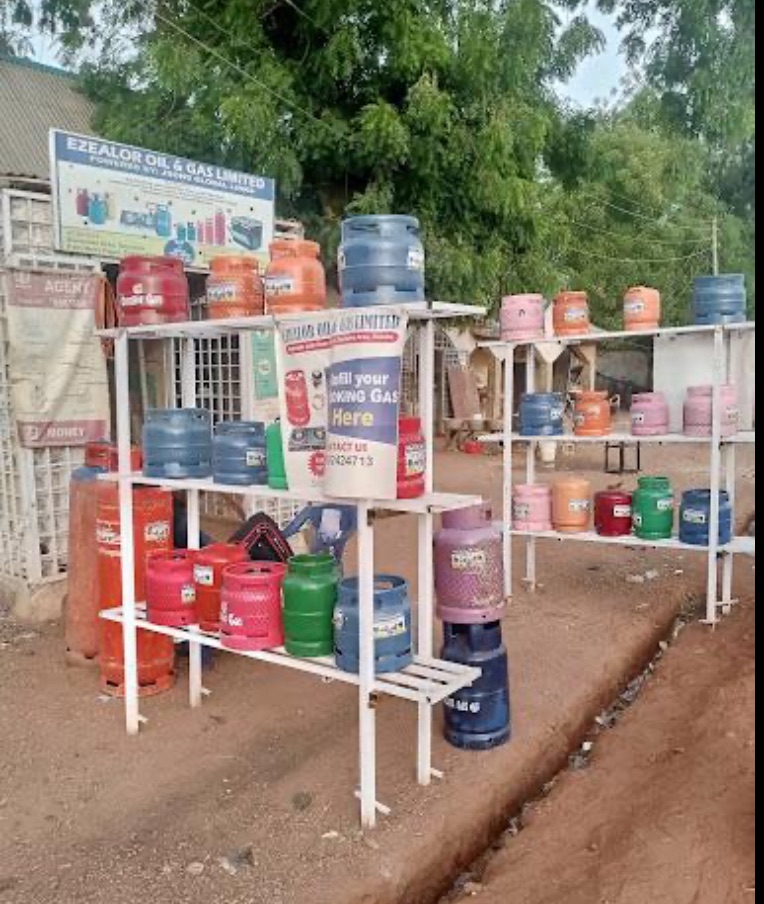

Nigeria’s cooking gas market is facing growing pressure as retailers warn that supply shortages continue despite the arrival of new Liquefied Petroleum Gas (LPG) shipments into the country. The situation has led to rising prices, making it increasingly difficult for many households and businesses to afford cooking gas.
Retailers say the recent LPG imports have not significantly improved product availability. According to industry operators, access to cooking gas remains limited, and many marketers are struggling to obtain enough supply to meet demand.
The Chairman of the Liquefied Petroleum Gas Retailers Association of Nigeria (LPGAR), Ayobami Olarinoye, explained that while a shipment received in late May slightly improved supply, the overall situation remains challenging. He noted that gas prices have stayed high and retailers are still finding it difficult to source products from plant operators.
Olarinoye revealed that another LPG vessel arrived in Nigeria on June 3, but there are concerns that the product may be reserved mainly for the owner’s retail outlets rather than being distributed across the wider market. He said that if marketers and plant operators cannot access the product, retailers will also struggle to secure supplies for consumers.
According to him, obtaining cooking gas has become increasingly difficult in recent weeks. He explained that only a few gas plants currently have products available for sale, while many others prefer selling directly to consumers rather than supplying retailers.
As a result, shortages have worsened in several communities, forcing retailers to either reduce operations or temporarily shut down due to lack of stock. Olarinoye warned that prices are unlikely to fall anytime soon unless urgent measures are taken to improve supply.
He also linked part of the challenge to the export of locally produced LPG. According to him, some private refineries prefer selling gas to neighbouring West African countries where payments are made in foreign currency, which often provides better returns than local sales.
To address the problem, he urged the Federal Government to introduce incentives that would attract more investors into the LPG sector. He also called on authorities to monitor terminal operators and prevent possible hoarding of products.
The effects of the shortage are already being felt nationwide. In Ogun State, a retailer identified as Temmy said she had been unable to restock her business for several days because suppliers had no available products.
Consumers are equally frustrated by the rising costs. In many areas, cooking gas is now selling for as much as N2,400 per kilogramme, while some filling stations offer slightly lower prices ranging between N1,650 and N1,700 per kilogramme.
The high prices have forced many families to seek alternative cooking methods. Some residents say they have returned to using charcoal and coal pots because cooking gas has become too expensive.
Retailers argue that transportation costs, logistics expenses, and limited supply contribute to the higher prices charged to customers. Many believe government intervention is necessary to stabilize the market and protect consumers from further hardship.
Despite increased local production, cooking gas prices remain elevated, creating concerns about energy affordability. Industry stakeholders warn that if the situation continues, it could undermine Nigeria’s efforts to promote clean cooking energy and place additional financial pressure on millions of households and small businesses across the country.