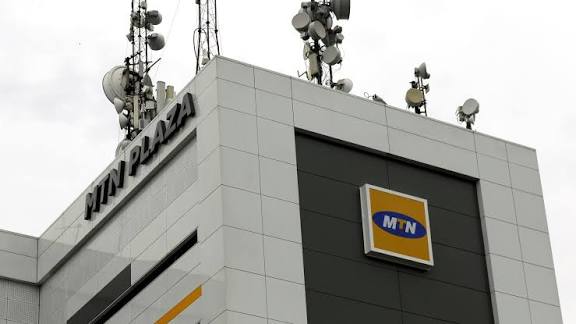

Nigeria’s largest telecommunications operator, MTN Nigeria, has defended the recent increase in telecom tariffs, arguing that higher pricing is necessary to sustain network expansion and service improvements amid rising operational costs.
The company also disclosed plans to invest approximately N1 trillion in network infrastructure over the coming years, underscoring its commitment to meeting growing demand for data, voice, and digital services across Africa’s most populous nation.
MTN executives said the tariff adjustment reflects the economic realities facing operators, including elevated energy costs, foreign exchange pressures, inflation, and the rising cost of maintaining critical telecommunications infrastructure. The company maintains that without periodic pricing reviews, operators would struggle to fund the investments needed to deliver reliable connectivity and support Nigeria’s digital transformation agenda.
The announcement comes as telecom operators continue to face mounting financial pressure. Nigeria’s telecommunications industry has experienced significant cost escalation over the past several years, driven by naira depreciation, increased diesel expenses required to power base stations, and the cost of importing network equipment.
According to MTN, the planned N1 trillion investment will focus on expanding network coverage, increasing capacity in high-demand areas, modernizing infrastructure, and enhancing customer experience. The investment is expected to support the rollout of advanced technologies and improve network resilience as mobile data consumption continues to surge across the country.
Industry analysts note that while tariff increases may initially face resistance from consumers, sustained investment in infrastructure remains essential for maintaining service quality. Nigeria’s digital economy increasingly depends on robust telecommunications networks to support e-commerce, fintech, digital payments, remote work, online education, and emerging technologies.
The investment programme could also provide a broader economic boost through job creation, infrastructure development, and increased digital inclusion. Improved connectivity is widely viewed as a key enabler of economic growth, particularly in underserved and rural communities where access to digital services remains limited.
For investors, MTN’s strategy signals a focus on balancing profitability with long-term growth. The company is seeking to strengthen its market position while responding to growing customer demand for faster and more reliable services. The investment commitment also highlights the sector’s confidence in Nigeria’s long-term digital potential despite near-term economic challenges.
As competition intensifies within the telecommunications market, operators are expected to continue investing heavily in network upgrades. MTN’s N1 trillion commitment represents one of the most significant infrastructure spending plans in the sector and reinforces the critical role telecommunications will play in Nigeria’s economic modernization and digital future.