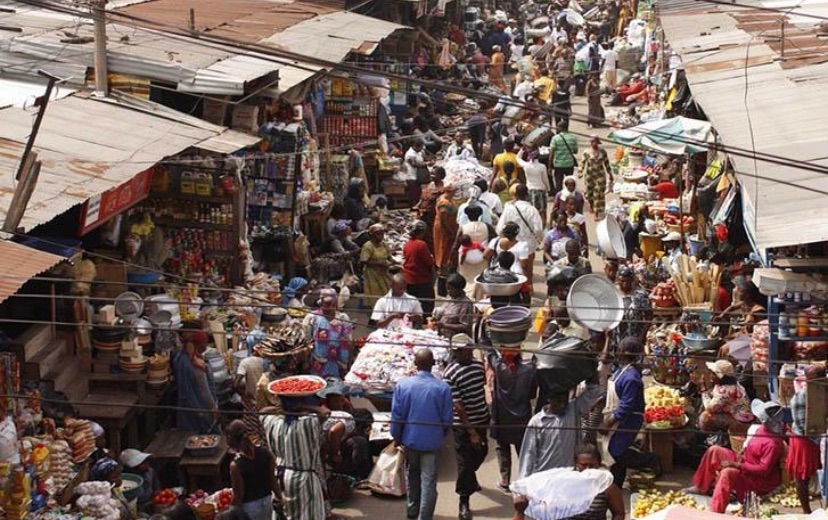

Small and medium-sized enterprises (SMEs) remain the backbone of Nigeria’s economy, providing millions of jobs and contributing significantly to economic growth. However, the current business environment has become increasingly difficult as inflation, exchange rate volatility, and rising operating costs continue to put pressure on business owners.
Despite these challenges, many SMEs are finding creative ways to survive. Rather than shutting down, entrepreneurs are adjusting their strategies, cutting unnecessary expenses, and exploring new opportunities to keep their businesses running.
One of the biggest challenges facing SMEs is the rising cost of raw materials. Many products used by manufacturers, retailers, and service providers are imported or depend on imported components. As the naira fluctuates against major foreign currencies, the prices of these goods continue to increase, making it more expensive to produce or sell products.
Transportation costs have also risen sharply. Higher fuel prices mean businesses now spend more moving goods from suppliers to warehouses and customers. Delivery services, logistics companies, and distributors have also adjusted their prices, increasing operating expenses for small businesses.
Electricity remains another major concern. While some parts of the country are enjoying more stable power, many SMEs still rely heavily on generators. The cost of diesel and petrol has significantly increased, forcing businesses to spend a larger portion of their income on energy.
To remain profitable, many business owners have reviewed their pricing strategies. Instead of absorbing all the additional costs, they have gradually adjusted product prices while trying to maintain customer loyalty. Some businesses now offer smaller package sizes at lower prices to make products more affordable for consumers.
Others are reducing waste by improving inventory management. Rather than keeping large quantities of stock that may become more expensive to replace, many SMEs now buy goods based on demand. This approach helps reduce unnecessary expenses and protects cash flow.
Local sourcing has also become an important survival strategy. Businesses that previously depended on imported materials are increasingly turning to Nigerian suppliers. Although local alternatives are not always available, many entrepreneurs say buying locally reduces exposure to exchange rate fluctuations while supporting domestic industries.
Technology is also helping businesses lower costs. Many SMEs now use digital accounting software, online payment platforms, inventory management systems, and social media marketing instead of relying solely on traditional advertising. These digital tools help businesses reach customers at a lower cost while improving efficiency.
Some entrepreneurs are also expanding their online presence by selling through e-commerce platforms, WhatsApp Business, Instagram, Facebook, and dedicated websites. This allows them to reach more customers without opening additional physical stores, reducing rent and overhead costs.
Financial discipline has become another key survival strategy. Business owners are carefully monitoring cash flow, limiting unnecessary spending, negotiating better payment terms with suppliers, and avoiding excessive borrowing where possible. Many are also diversifying their income by introducing complementary products or services to spread business risk.
Industry experts believe collaboration is becoming increasingly important. SMEs are forming partnerships, buying supplies in bulk through business associations, sharing logistics services, and participating in cooperative groups that help reduce costs and improve access to financing.
Government support and access to affordable credit remain crucial for the long-term survival of SMEs. Business groups continue to advocate for lower lending rates, improved infrastructure, stable electricity, and policies that reduce the cost of doing business.
Although the economic environment remains challenging, many Nigerian entrepreneurs have demonstrated remarkable resilience. By embracing innovation, managing costs carefully, adopting technology, and focusing on customer needs, SMEs are proving that adaptability remains one of the strongest tools for surviving difficult economic conditions.
As inflation and exchange rate pressures continue, businesses that remain flexible and responsive to market changes are expected to be in a stronger position to grow when economic conditions eventually improve.