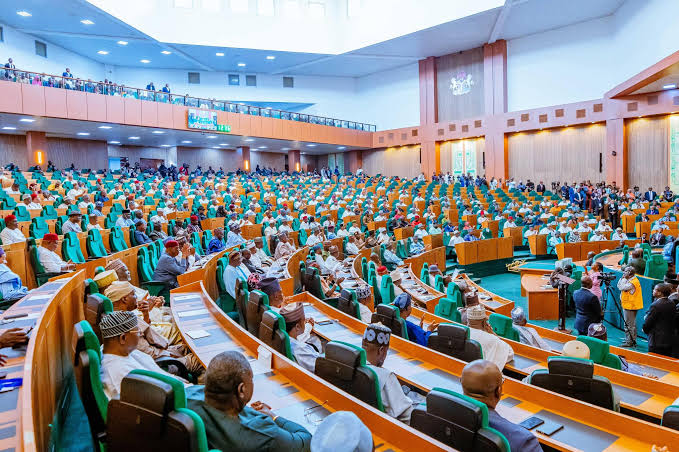

The House of Representatives has approved a ₦100.51 billion promissory note programme to reimburse the Yobe State Government for constructing the Muhammadu Buhari International Cargo Airport in Damaturu.
The approved amount is ₦100,509,017,234.55, following the Federal Government’s decision to take over the airport built by the state government.
The PUNCH reported on Wednesday, October 28, 2026, that the House adopted the recommendation of its Committee on Aids, Loans and Debt Management after reviewing the proposed reimbursement.
The committee, chaired by Abubakar Nalaraba, conducted due diligence on the project, including an inspection of the airport, before recommending approval.
The review involved relevant government agencies, including the Federal Ministry of Aviation and the Bureau of Public Procurement (BPP). The aviation ministry confirmed that the facility met the required standards for takeover, while the procurement bureau certified that due process had been followed.
Documents presented during the review also showed that the Yobe State Government had paid the contractors responsible for the project.
President Bola Tinubu had earlier sought the National Assembly’s approval for the promissory note programme in a letter read on the floor of the House on October 13, 2026.
The arrangement is intended to compensate the state for the cost of constructing the airport. A promissory note programme provides a mechanism for settling a recognised government obligation and should not be confused with an immediate cash disbursement.
The airport is expected to support the transportation of agricultural produce and raw materials from Yobe and other parts of the North-East, potentially improving access to wider domestic and international markets.
Yobe has a largely agrarian economy, with farmers and traders depending on efficient transportation to move produce to buyers. Cargo aviation could provide an additional channel for transporting time-sensitive or high-value agricultural goods, depending on demand, operating costs and the availability of logistics services.
The facility could also create opportunities for businesses involved in freight handling, storage, transportation and agricultural processing.
However, the airport’s contribution to economic growth will depend on its ability to attract cargo operators, secure regular shipments and connect local producers with reliable buyers.
The Federal Government’s takeover also shifts responsibility for the airport’s future operation and maintenance into the federal system, making effective management and commercial utilisation important to its long-term value.
The reimbursement programme would settle the recognised cost incurred by Yobe State, while the airport’s wider economic benefits will depend on how effectively the facility is integrated into the country’s cargo and agricultural supply chains.