
Nigeria’s housing crisis is not just about a shortage of buildings but also the high cost of land, expensive mortgages and weak accountability in public housing projects, raising questions about whether government programmes can deliver homes ordinary Nigerians can afford.
The Federal Government’s National Housing Data Technical Committee estimated Nigeria’s housing deficit at 14.925 million units in 2025, according to figures released on January 26, 2026, by the Federal Ministry of Housing and Urban Development.
Separately, the ministry reported in December 2025 that approximately 15.2 million existing housing units were structurally inadequate, highlighting the need to improve existing homes alongside constructing new ones.
The figures underline the scale of the challenge as rapid urbanisation, limited access to housing finance and land administration problems continue to restrict homeownership.
Nigeria’s land administration system remains a significant obstacle to affordable housing. Under the Land Use Act of 1978, land is vested in state governors, while obtaining secure titles and completing property transactions can involve lengthy procedures and additional costs.
These barriers increase development expenses and discourage investment. Unclear ownership records and disputed titles can also make it harder for property owners to use land as collateral for loans.
On October 13, 2026, Voice of Nigeria reported that federal and state government officials were seeking reforms to land administration and mortgage financing to expand access to affordable housing.
At the 15th National Council on Lands, Housing and Urban Development meeting in Sokoto, stakeholders called for digitised land records, lower mortgage interest rates and more flexible repayment arrangements.
High borrowing costs remain another challenge. Although the Central Bank of Nigeria cut its Monetary Policy Rate from 26.5% to 23% at its September 21–22 meeting, the reduction has not automatically translated into affordable mortgages for households.
For many Nigerians, rising living expenses make saving for a deposit difficult, while developers often require substantial upfront payments.
The Federal Mortgage Bank of Nigeria (FMBN) is expanding its housing finance programmes, although the scale of the national deficit remains substantial.
On October 20, 2026, the bank announced plans to introduce non-interest mortgage financing and rent assistance for federal civil servants before the end of October.
FMBN Managing Director, Shehu Usman Osidi, said the bank approved more than ₦208 billion in housing and mortgage loans in 2025 and disbursed over ₦120 billion.
According to the bank’s October 20 statement, FMBN financed 6,911 affordable housing units during the year, achieving 96 per cent of its annual target of 7,200 homes.
The bank has also introduced a diaspora mortgage product to enable eligible Nigerians living abroad to finance property purchases at home.
However, expanding these initiatives will require sustainable long-term funding and financing arrangements that accommodate informal-sector workers, traders and other Nigerians who may not qualify for conventional mortgages.
On July 22, 2026, the Independent Corrupt Practices and Other Related Offences Commission (ICPC) announced the handover of recovered land in Kaba District, Abuja, to FMBN for a proposed 962-unit housing estate.
The project, conceived in 2012, was linked to a $65 million loan facility. The ICPC said its investigations found that the funds had been diverted and no houses were constructed. It added that some money was allegedly transferred abroad through bureaux de change operators.
The Federal High Court ordered the final forfeiture of the properties in December 2025, while criminal proceedings remained ongoing, according to the commission.
The recovery creates an opportunity to revive the project, but completion and fair allocation of the homes will determine whether the intervention benefits prospective homeowners.
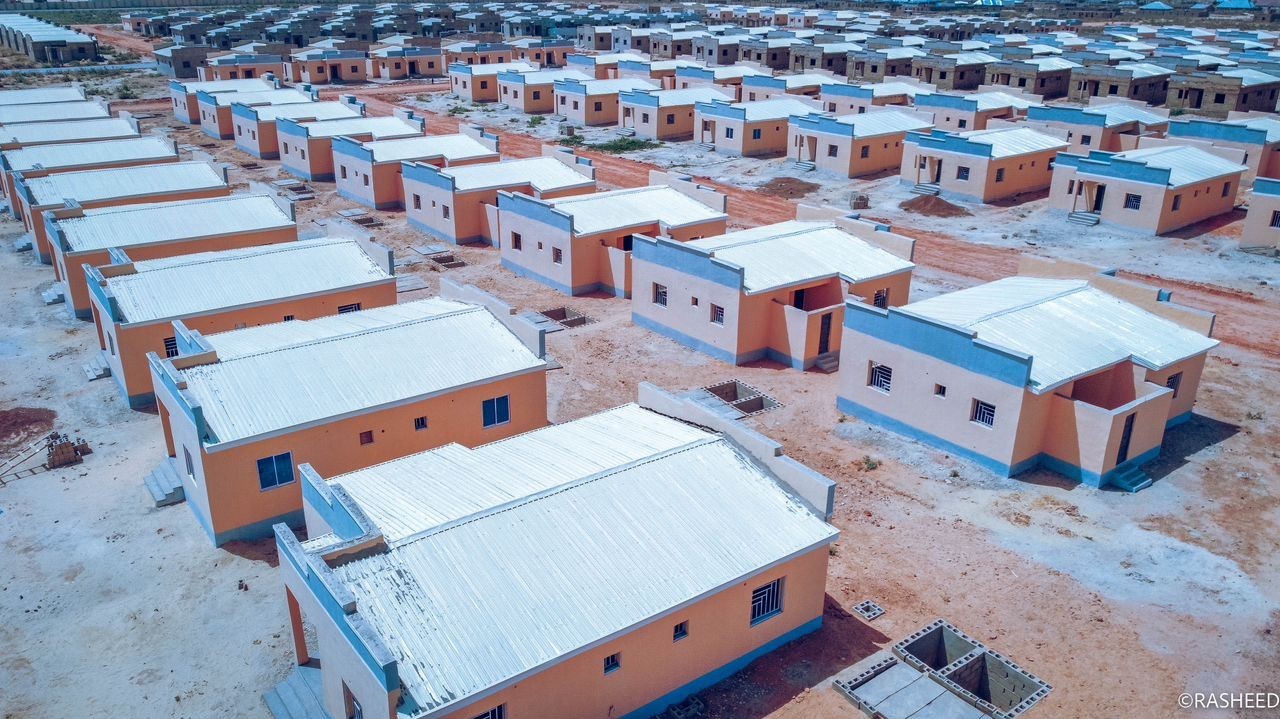
The Federal Government’s Renewed Hope housing programme targets 100,000 units nationwide.
On October 16, 2026, Voice of Nigeria reported that Housing Minister Muttaqha Darma also announced plans for a separate social housing programme providing 100 units in each of Nigeria’s 774 local government areas, amounting to 77,400 homes.
The minister said the government planned to increase mortgage delivery to 5,000 by 2028 and raise the maximum mortgage loan from ₦50 million to ₦85 million. He also said 30 to 40 per cent of mortgage bookings would target informal-sector workers.
The proposals could widen access to housing, but their impact will depend on implementation, affordability and transparent allocation.
Nigeria needs more than construction targets. Digitised land registration, accessible long-term finance, transparent project monitoring and homes priced around household incomes are essential to closing the housing gap.
Without these reforms, more estates may be announced while millions of Nigerians remain unable to afford decent homes.