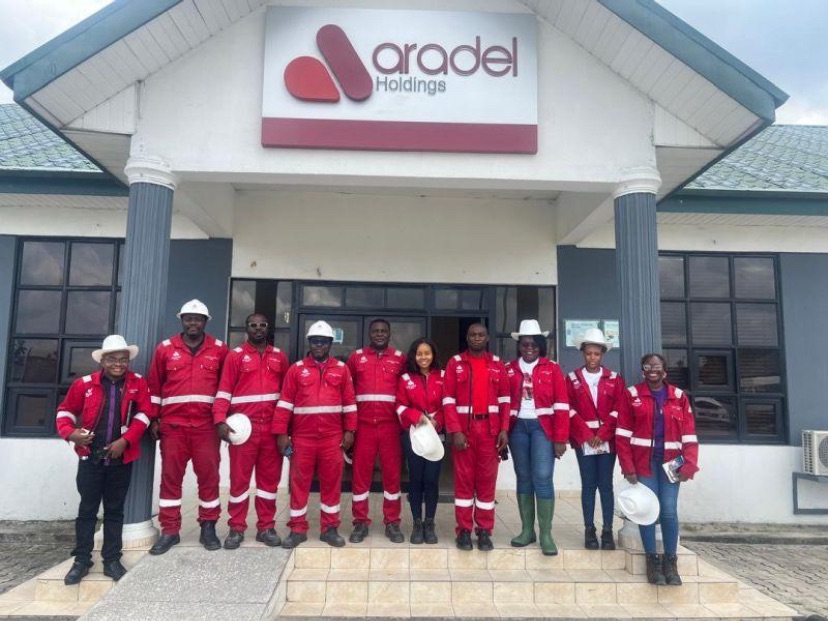

Aradel Holdings Plc, one of Nigeria’s indigenous energy companies, is preparing to add petrol production to its refining operations, with the company targeting 2027 for the start of production.
The plan comes as changes in Nigeria’s petroleum market continue to reshape the business environment for local refiners. The removal of petrol subsidies and the deregulation of the downstream oil sector have created stronger commercial incentives for companies to process crude locally.
Temitayo Ogunbanjo, who oversees Aradel’s refining business, disclosed the plan on the sidelines of a conference in Abuja, according to a Bloomberg report.
Aradel currently operates an 11,000-barrel-per-day modular refinery. The facility already produces several petroleum products, including kerosene, diesel, gas oil and naphtha. The planned petrol production would therefore expand the range of products coming from the refinery.
The company is also studying the possibility of increasing the refinery’s capacity as part of its wider growth strategy. According to Ogunbanjo, Aradel is examining different options for securing crude supplies and establishing the logistics required to move refined products to local and international markets.
The company has not yet disclosed how much it plans to spend on the proposed petrol unit or any potential refinery expansion. Aradel is expected to develop more detailed investment plans after completing engineering studies over the coming year.
Beyond petrol, the company is also exploring opportunities in aviation fuel. Aradel is considering investing in the production of aviation fuel that could potentially be exported to European markets.
The development reflects the growing ambitions of Nigerian indigenous energy companies to move beyond crude oil production and participate more actively in refining and petroleum-product trading.
For years, Nigeria depended heavily on imported petrol despite being one of Africa’s major oil-producing countries. Limited domestic refining capacity meant that crude produced locally was often exported while refined petroleum products were brought back into the country.
The situation has started changing as new and expanded refineries enter the market and existing operators seek to increase their output.
The removal of petrol subsidies has also changed the economics of the downstream sector. With petrol prices no longer determined by the former subsidy system, refiners and marketers have greater room to respond to market conditions, although consumers remain exposed to changes in crude prices, exchange rates and operating costs.
For Aradel, expanding its refining operations could provide an opportunity to benefit from Nigeria’s growing demand for locally produced petroleum products while also opening the door to export markets.
The company’s planned 2027 petrol production will therefore be closely watched as Nigeria continues its drive to increase domestic refining capacity and reduce dependence on imported fuels.