
The Democratic Republic of the Congo is set to receive more than 30 deportees from the United States this week, marking a new phase in Washington’s efforts to speed up migrant removals through agreements with African nations. According to sources, the deportees—estimated between 37 and 45—are not Congolese nationals. Many are believed to be from Central and South America. They are expected to arrive in Kinshasa and will initially be housed in a hotel near the main airport for up to two weeks while onward arrangements are made.
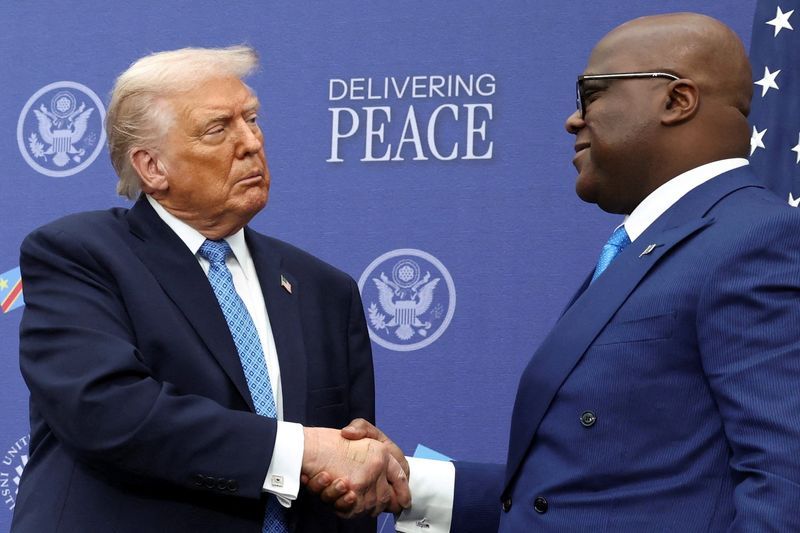
The arrangement follows a recent agreement between both countries and coincides with broader US engagement in the region, including peace efforts in eastern DRC and access to critical minerals essential for global technology supply chains. The DRC is home to vast deposits of cobalt, copper, and other strategic minerals, making it an increasingly important partner for Western powers seeking to diversify supply chains away from China.
The plan has drawn criticism from human rights groups, particularly over the legality and welfare of deportees sent to countries where they have no ties. Deporting individuals to a third country where they are not nationals raises questions about their legal status upon arrival, access to asylum processes, and the risk of onward refoulement to countries where they may face persecution. The International Organization for Migration is expected to provide post-arrival humanitarian support, including assistance with documentation, temporary accommodation, and travel arrangements to final destinations.
For the DRC government, the agreement may be seen as a diplomatic gesture that strengthens ties with Washington at a time when international support is critical for stabilising the east. However, domestic political risks exist, as the arrival of non-national deportees could be portrayed by opponents as the country being used as a transit hub for US migration enforcement. The humanitarian implications will be closely watched by international observers, particularly regarding the treatment of deportees during their two-week stay in Kinshasa and the efficiency of onward processing.