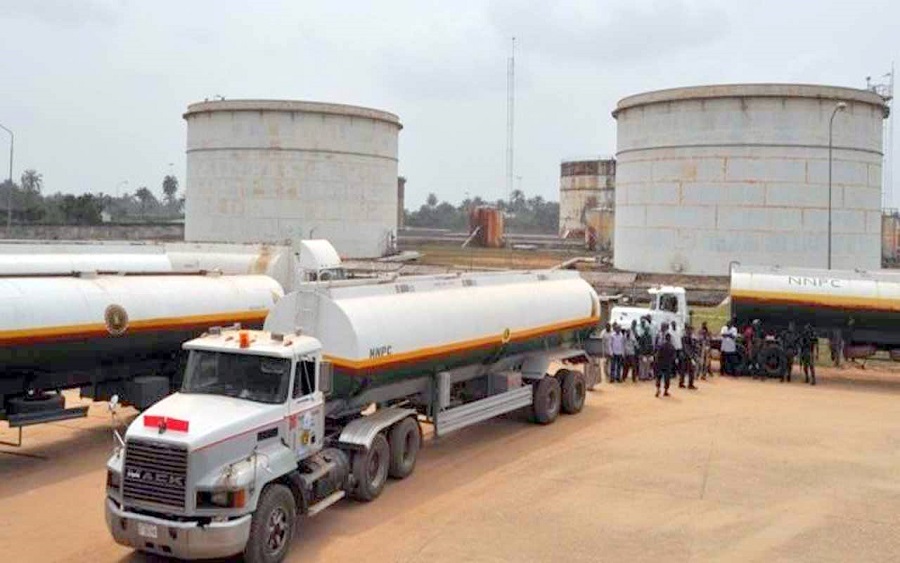

Oil marketers have raised alarm over the Federal Government’s newly approved 15 percent import duty on petrol and diesel, warning that the levy could push pump prices above N1,000 per litre and cripple operations for independent dealers already battling high costs.
The administration of President Bola Tinubu endorsed the duty following a recommendation from the Federal Inland Revenue Service (FIRS) to align the cost, insurance and freight value of imported fuel with domestic realities. Officials say the policy forms part of wider fiscal reforms to encourage local refining, strengthen the naira and reduce the country’s reliance on imported petroleum products.
However, the move has sparked heated debate across the energy industry. While some economists applaud it as a necessary step towards energy independence, marketers describe it as punitive, arguing that it will deepen fuel scarcity and inflation.
Marketers Fear Industry Shake-Up
Speaking to newsmen, the Publicity Secretary of the Independent Petroleum Marketers Association of Nigeria (IPMAN), Chinedu Ukadike, said the policy will trigger a rise in fuel prices and may push many filling stations out of business.
“This will increase the price of petroleum products at the pump,” he said. “We are asking for reduced prices and better access to investment returns so commuters can afford to use petrol. With electric and CNG vehicles on the rise, some filling stations could soon go obsolete if the policy remains.”
Ukadike accused the government of tilting the market in favour of dominant players such as the Dangote Refinery, warning that competition could collapse if smaller importers are priced out. He urged authorities to remove what he described as unnecessary taxes and bottlenecks discouraging new investors from entering the refining business.
“In a deregulated economy, the forces of demand and supply should determine price. You do not use regulation to favour one company,” he added. “Local refiners are not producing enough. Making imports more expensive when there’s still a supply gap will only worsen hardship.”
Short-Term Pain, Long-Term Gain?
Paul Adams, an economist at Nasarawa State University, said the tariff represents a “strategic but double-edged” policy designed to protect local refineries and stabilise the domestic market in the long run.
“By imposing a duty on imported fuel, the government is creating a level playing field for local refiners such as Dangote and modular plant operators who face high production costs,” he explained. “But in the short term, it will tighten margins for importers, disrupt supply and push prices higher for consumers.”
Adams warned that the additional costs would likely be passed to end users, aggravating inflation and eroding household purchasing power. “Until domestic production fully stabilises, this policy could trigger temporary shocks in supply consistency and pricing,” he said.