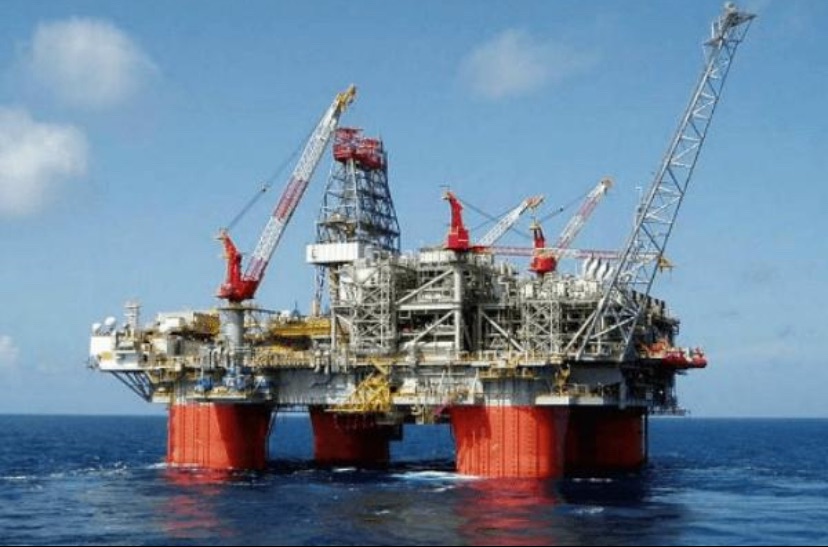

The Federal Government has approved a new tax incentive for Shell Plc’s Bonga Southwest Aparo deepwater oil project in a major effort to increase crude oil production and attract more investment into Nigeria’s oil and gas sector.
According to reports, President Bola Tinubu approved a special production-linked tax credit that will allow Shell and its partners to receive a tax rebate of $11.50 for every barrel of crude oil producedfrom the project. This incentive is more than twice the standard tax credit currently available under Nigeria’s oil and gas fiscal system.
The approval is expected to help move the long-delayed Bonga Southwest Aparo project closer to a Final Investment Decision (FID), allowing construction and development activities to begin. Sources familiar with the matter also revealed that similar tax incentives will be made available to other international oil companies investing in new deepwater projects in Nigeria. The policy is expected to remain in place until at least 2029.
The Bonga Southwest Aparo project is one of Nigeria’s biggest undeveloped offshore oil fields. It is expected to attract around $20 billion in foreign investment and significantly increase the country’s oil production once operations begin.
According to the Nigerian National Petroleum Company Limited (NNPCL), the project has the capacity to produce about 150,000 barrels of crude oil per day, making it one of the country’s most important upcoming energy developments.
Shell confirmed that work on the project is progressing, although the company did not comment directly on the new tax incentive. A company spokesperson stated that Shell remains committed to developing the project and will provide official updates when necessary.
The latest approval is part of the Federal Government’s wider strategy to revive Nigeria’s petroleum industry, which has experienced years of declining investment due to oil theft, pipeline vandalism, insecurity, ageing infrastructure, and uncertainty surrounding government policies.
Since taking office in May 2023, President Tinubu’s administration has introduced several reforms and executive orders designed to improve the investment climate in the oil and gas sector. Earlier policies also introduced production tax credits that allowed companies to offset part of their operating costs through tax relief.
Industry experts believe the enhanced tax incentive will make expensive deepwater projects more attractive because offshore oil production requires significantly higher investment than onshore operations. By reducing production costs, the government hopes to encourage more companies to proceed with delayed projects.
Recent figures released by the Nigerian Upstream Petroleum Regulatory Commission (NUPRC) suggest that these reforms are already beginning to produce positive results. Nigeria’s crude oil production increased to an average of 1.56 million barrels per day in June, the highest monthly output recorded since April 2020.
The improvement has been linked to better security around oil facilities, renewed investment in upstream activities, and government efforts to restore production levels across the country.
Despite the positive outlook, some investors remain cautious. They argue that executive orders can be amended or challenged in court by future administrations, creating uncertainty for long-term investments.
To address these concerns, Shell reportedly requested that the Federal Government publish the new tax incentive in the Official Gazette. Doing so would strengthen the legal backing of the policy and provide greater confidence for investors considering large-scale projects in Nigeria.
For years, Nigeria has struggled to attract fresh investment into its upstream petroleum sector despite passing the Petroleum Industry Act in 2021. Several major offshore projects remained stalled because of high operating costs and unclear fiscal policies.
The Federal Government now hopes that projects like Bonga Southwest Aparo will help increase crude oil production, attract billions of dollars in foreign investment, create employment opportunities, and boost government revenue. If successfully implemented, the new tax incentive could mark another important step in rebuilding confidence in Nigeria’s oil and gas industry while strengthening its position as Africa’s leading oil producer.