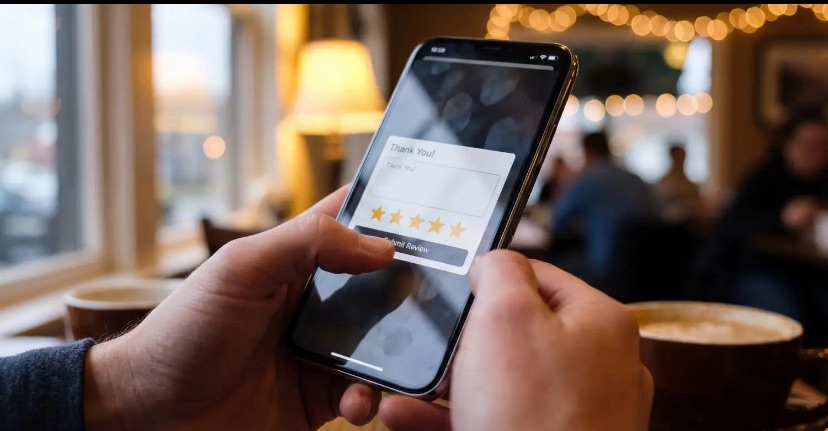

In today’s digital world, online reviews have become one of the biggest factors influencing how people decide what to buy. Whether someone is ordering food, booking a hotel, buying a smartphone, or choosing a local service, many customers now check reviews before spending their money.
A product with hundreds of positive reviews often attracts more attention than a similar product with little or no feedback. This shift has changed the way businesses market their products and build trust with customers.
Studies have shown that many shoppers are more likely to buy a product after reading positive experiences from other customers. Reviews give buyers a better understanding of product quality, performance, and reliability. Instead of relying only on advertisements, people now prefer to hear from real users who have already tested the product.
Negative reviews also play an important role. While a few bad comments may not stop customers from making a purchase, repeated complaints about the same issue can quickly reduce confidence in a brand. Problems such as poor customer service, delayed delivery, or low product quality often become warning signs for future buyers.
Businesses are becoming more aware of the power of customer feedback. Many companies now encourage satisfied customers to leave reviews after making a purchase. Some offer reward points, discounts, or loyalty benefits as a way to increase customer participation while following platform guidelines.
Experts say that responding to customer reviews has become just as important as collecting them. When companies reply politely to complaints and provide solutions, customers often see the business as responsible and trustworthy. A quick response to a problem can even turn an unhappy customer into a loyal one.
The rise of social media has made online reviews even more influential. Short videos, product demonstrations, and customer testimonials shared on platforms like TikTok, Instagram, YouTube, and Facebook can reach millions of people within hours. A single positive recommendation from a trusted content creator or everyday customer can significantly increase sales.
Small businesses are also benefiting from online reviews. Without spending large amounts on advertising, local businesses can attract new customers simply by building a strong reputation online. Positive ratings on search engines and shopping platforms often help smaller brands compete with larger companies.
However, fake reviews remain a growing concern. Some businesses have been accused of posting false positive reviews or paying people to leave misleading feedback. At the same time, competitors sometimes publish fake negative reviews to damage a company’s reputation. Many online marketplaces are investing in better technology to detect suspicious activity and remove dishonest reviews.
Consumer experts advise shoppers to read multiple reviews instead of relying on just one. Looking at both positive and negative comments helps buyers make balanced decisions and avoid disappointment.
As online shopping continues to grow, customer reviews are expected to become even more valuable. Businesses that consistently provide quality products, excellent customer service, and honest communication are more likely to earn positive feedback and long-term customer loyalty.
In an increasingly competitive marketplace, online reviews are no longer just opinions—they have become powerful business tools that shape consumer confidence, influence purchasing decisions, and play a major role in determining which brands succeed.