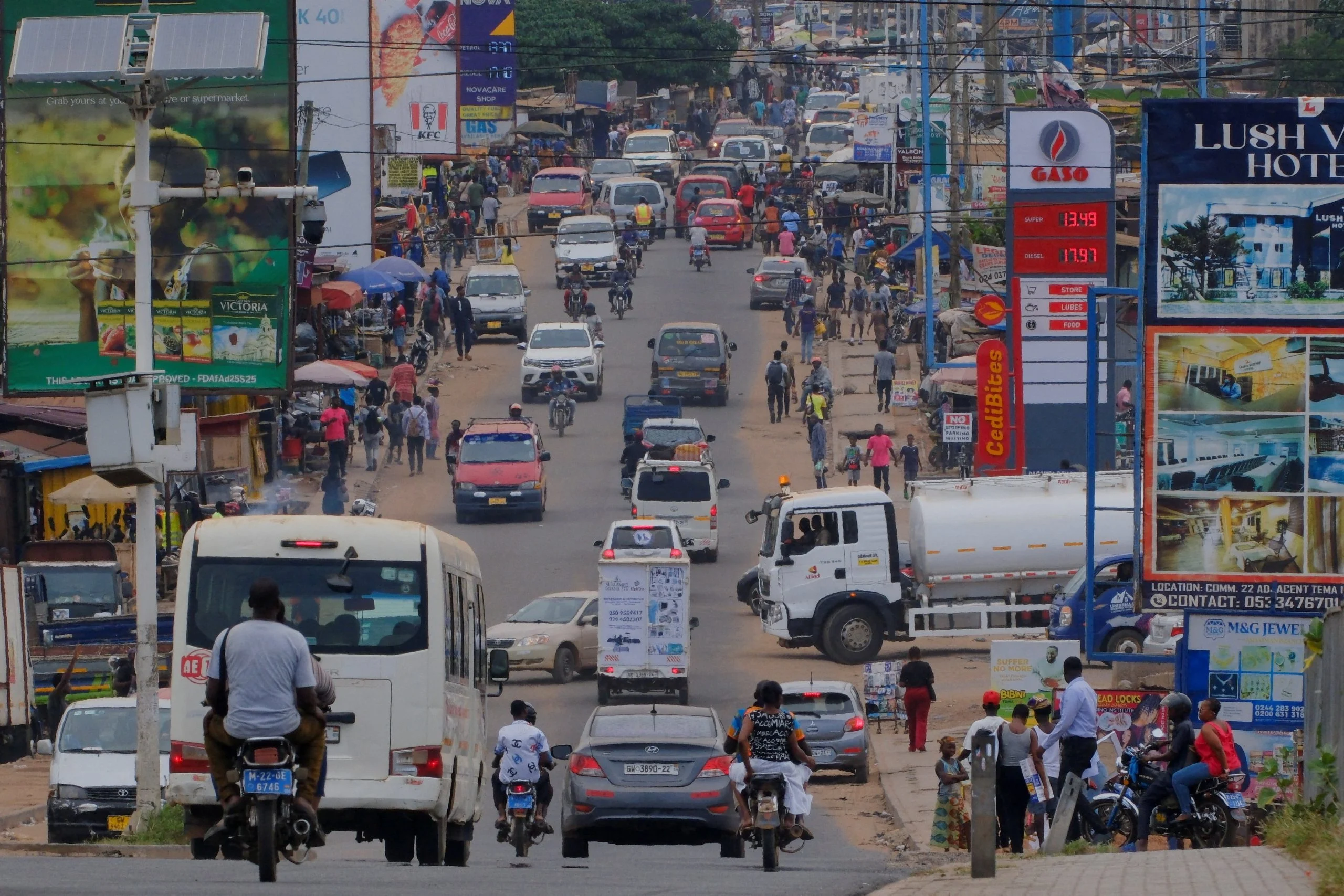

Ghana’s government has introduced temporary fuel subsidies to ease pressure on consumers following rising global oil prices driven by ongoing geopolitical tensions in the Middle East. In a statement issued by Communications Minister Felix Kwakye Ofosu, authorities said the state will absorb GH¢2 per litre on diesel and GH¢0.36 per litre on petrol. The intervention takes effect from April 16, 2026, at the start of the next pricing window, providing immediate relief at the pumps for households and businesses.
The move comes as volatility in international petroleum markets drives up local fuel prices, increasing transportation costs and weighing on economic activity across sectors. Ghana, like many African countries, is a net importer of refined petroleum products, making it highly sensitive to global price swings. The government’s decision to intervene reflects the political and economic urgency of containing fuel inflation, which feeds directly into transport fares, food prices, and the cost of industrial production.
Approved by the Cabinet, the subsidy policy will remain in place for one month, during which the government will assess global price trends before deciding on further action. Officials say the measure is designed to provide short-term relief and support economic activity while avoiding the long-term fiscal drain that characterised Ghana’s previous blanket subsidy regime. The government has framed the intervention as a targeted response to external shocks rather than a return to unsustainable universal subsidies.
The government said the step underscores its commitment to stabilising prices, protecting livelihoods, and supporting Ghana’s economic recovery amid ongoing external shocks. The country has made significant progress in recent years under an IMF programme, including inflation moderating from previous highs and the cedi stabilising following monetary policy tightening. However, renewed fuel price pressures risk reversing some of these gains by pushing up transportation and production costs. The one-month window gives authorities time to assess whether global prices will moderate or whether additional measures, including further subsidy adjustments or exchange rate interventions, will be required.