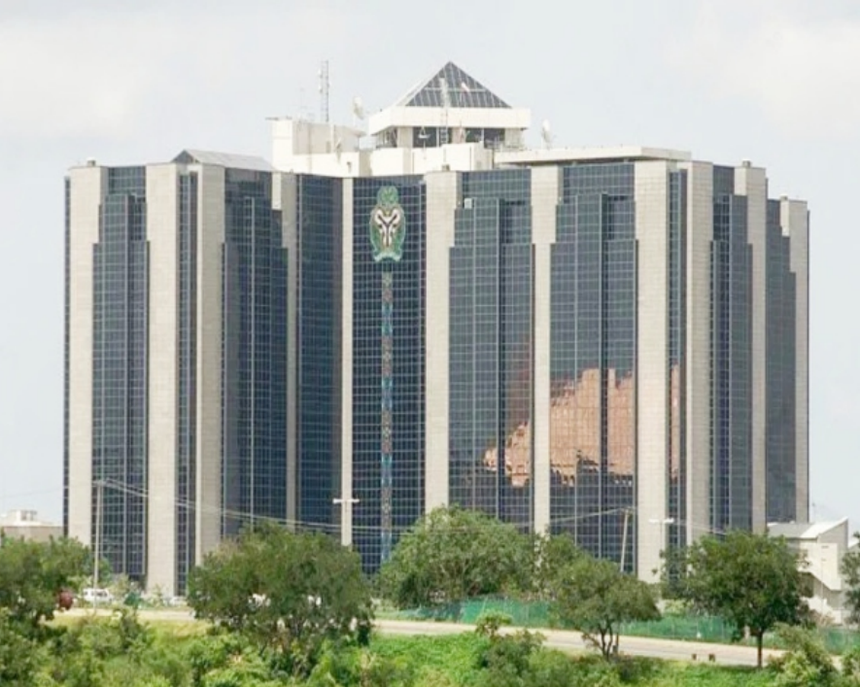

Nigeria’s Central Bank (CBN) has withdrawn N3.46tn from the financial system through its latest Open Market Operations (OMO) and Treasury bills auctions, as investors showed strong interest in government securities.
The auctions, conducted on November 3 and 4, attracted total subscriptions of N5.57tn against the N2.3tn offered by the apex bank, according to results released by the CBN. The central bank allotted N2.95tn through OMO bills and N509.41bn through Treasury bills, bringing the total amount absorbed from the financial system to approximately N3.46tn.
The OMO auction accounted for about 85 per cent of the total allotment, indicating that the CBN relied more heavily on the instrument to manage excess liquidity in the banking system. At the November 3 OMO auction, the apex bank offered N1.5tn across three instruments with maturities of 119, 126 and 133 days. However, investors submitted bids worth N3.52tn, more than twice the amount offered.
The CBN eventually allotted N2.95tn, with the 133 day instrument attracting the highest demand. It received N2.36tn in subscriptions, representing approximately 67 per cent of the total bids. The stop rates for the 119 day, 126 day and 133 day instruments stood at 17.77 per cent, 17.71 per cent and 17.67 per cent, respectively. The latest OMO allotment represented a significant increase from the October 29 auction, when the central bank sold N244.93bn despite receiving N2.28tn in bids.
Similarly, the November 4 Treasury bills auction recorded strong investor interest, with subscriptions reaching N2.045tn against an offer of N800bn. However, the CBN allotted only N509.41bn, leaving approximately N1.54tn worth of bids unaccepted. The 364 day Treasury bill attracted the largest share of subscriptions at N1.994tn, while the central bank allotted N461.84bn to investors. The 91 day instrument received N25.01bn in bids, with N22.40bn accepted, while the 182 day bill attracted N25.83bn and recorded an allotment of N25.17bn.
Despite the strong demand, the central bank maintained its Treasury bills stop rates at previous levels. The 91 day bill remained at 15.40 per cent, while the 182 day and 364 day instruments settled at 15.79 per cent and 15.80 per cent, respectively. Investors seeking higher returns on longer dated securities submitted bids at yields as high as 18.18 per cent for the 364 day bill, above the accepted rate of 15.80 per cent. Meanwhile, average yields increased by 43 basis points to 17.70 per cent on November 3, from 17.28 per cent recorded on October 28.
The increased demand comes amid substantial liquidity in the banking system. Financial data showed that banks held more than N7.72tn in the CBN’s Standing Deposit Facility as of November 3, reflecting significant excess funds within the financial system. The liquidity position followed approximately N2.016tn in OMO maturities, partly offset by the central bank’s subsequent N2.95tn allotment.
In September, the CBN sold N17.51tn in OMO securities against maturities of N10.89tn, resulting in a net liquidity withdrawal of N6.62tn. The Financial Markets Dealers Association also reported that banking system liquidity increased by 56.75 per cent to N7.373tn in October, as the pace of OMO-related withdrawals moderated. The association projected N13.79tn in liquidity inflows in November, largely from maturing OMO instruments, government allocations and Treasury bills repayments.
Meanwhile, the Debt Management Office has raised approximately N1.82tn against N2.95tn offered across four Treasury bills auctions in the fourth quarter.