
The Bureau of Public Procurement (BPP) has reported substantial savings for the federal government as a result of its procurement reforms in 2025. According to the agency, improvements in how government contracts are awarded and monitored helped the Federal Government conserve more than N1.1 trillion from January through December of last year.
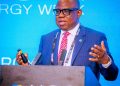
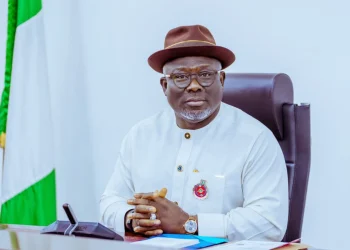
The Director-General of the BPP, Mr. Adebowale Adedokun, disclosed this figure during his defence of the agency’s 2026 budget estimate before the Senate Committee on Public Procurement in Abuja. His presentation was anchored on measurable gains from the bureau’s ongoing reform agenda.
The savings reflect a shift toward stricter adherence to procurement regulations, tighter oversight of contract awards, and more disciplined enforcement mechanisms. The reforms target inefficiencies that have historically inflated costs and delayed project delivery across government ministries, departments, and agencies (MDAs).
In addition to the headline savings, the BPP reported several operational improvements. Contract approval timelines were significantly reduced, cutting the time it takes for government entities to secure clearance to execute projects. This efficiency translates to faster project delivery and less likelihood of cost overruns.
The bureau has also intensified sanctions against non-compliant contractors and public officials who violate procurement rules. These sanctions are designed to deter malpractice and hold accountable those who attempt to circumvent due process.
Mr. Adedokun’s budget defence emphasised that the savings achieved are not one-off gains but the result of systematic reforms intended to restore fiscal discipline across federal procurement functions. He highlighted that these savings contribute directly to the Consolidated Revenue Fund, providing the government with more fiscal space to prioritise critical expenditures.
The BPP leader also appealed for increased budgetary allocation for the agency in 2026. He noted that enhanced funding would strengthen service delivery, support job creation, and build institutional capacity for procurement oversight. These investments are pitched as necessary to sustain the gains made and to further embed a culture of compliance and transparency.
“The bureau received N4.032 billion in 2025 and sought higher funding to reinforce anti-corruption efforts under the administration of President Bola Tinubu,” Mr. Adedokun told the Senate committee.
His appeal reflects a broader policy priority to galvanise public institutions in support of the government’s anti-corruption strategy. This strategy has included policy adjustments and partnerships aimed at tightening procurement governance and curbing wasteful spending.
The Chairman of the Senate Committee on Public Procurement, Mr. Olajide Ipinsagba, acknowledged the bureau’s strategic role in promoting fiscal discipline and socioeconomic development. He assured the agency of legislative support while emphasising the need for strict accountability and prudent management of public funds.
In summary, the BPP’s reported N1.1 trillion savings in 2025 represent measurable outcomes from a set of procurement reforms focused on efficiency, compliance, and transparency. The agency’s leadership is positioning these results as a foundation for deeper reforms and a stronger framework for value-driven public spending in the years ahead.