The Nigerian National Petroleum Company Limited has unveiled an ambitious plan to significantly expand Nigeria’s gas reserves to 600 trillion cubic feet while attracting up to $60 billion in investments into the sector, as part of a broader strategy to reposition the country in the global energy market.
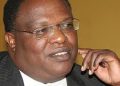
The projection was disclosed by the company’s Executive Vice President for Gas, Power and New Energy, Olalekan Ogunleye, during a panel session at the CERAWeek by S&P Global in Houston. According to him, Nigeria currently holds about 210 trillion cubic feet of proven gas reserves, but has the potential to nearly triple this figure through sustained exploration and development efforts.
Ogunleye explained that the expansion drive is anchored on the NNPC Gas Master Plan, which aims to unlock Nigeria’s vast gas resources through a combination of commercial incentives, infrastructure development, and strict execution of annual work plans. He noted that the initiative is designed not just as a policy framework but as a practical roadmap to deliver measurable growth in the gas sector.
As part of the plan, the company is targeting a major increase in gas production volumes, with output expected to rise from the current 7.4 billion cubic feet per day to about 12 billion cubic feet per day by 2030. This represents a projected growth of over 60 percent and aligns with federal government directives to accelerate gas development as a key driver of industrialisation and energy security.
The investment target of $60 billion is expected to come from both local and international stakeholders, with the aim of boosting exploration activities, expanding processing capacity, and strengthening Nigeria’s liquefied natural gas export capabilities. The strategy is also intended to deepen the country’s participation in gas-based industries, including power generation, manufacturing, and petrochemicals.
Ogunleye highlighted Nigeria’s strategic geographic position as a major advantage, particularly at a time when global energy markets are being reshaped by geopolitical tensions. He pointed to disruptions linked to conflicts involving the United States, Israel, and Iran, which have affected key shipping routes such as the Strait of Hormuz, creating opportunities for alternative suppliers like Nigeria to meet growing global demand.
He added that demand for liquefied natural gas has remained strong despite global uncertainties, positioning Nigeria to play a more prominent role in supplying both regional and international markets. The country’s proximity to Europe and other key destinations further strengthens its competitiveness in the evolving gas trade landscape.
The renewed focus on gas development builds on earlier efforts by the NNPC to transition Nigeria’s energy strategy toward cleaner and more sustainable resources. The Gas Master Plan 2026, launched earlier this year in Abuja, marks a shift from policy formulation to execution, with emphasis on delivering tangible economic value from the country’s natural gas reserves.