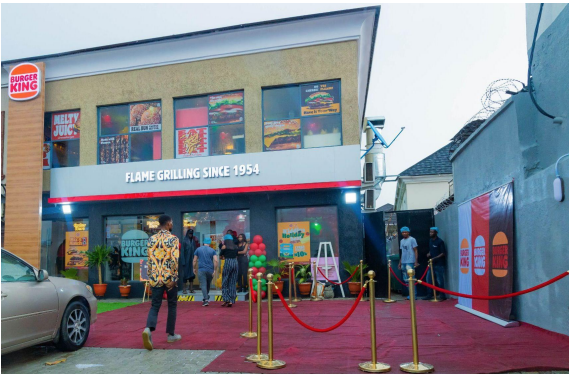

Burger King Nigeria is deepening its localisation strategy with the launch of BK Small Chopzzz, a new menu offering designed to align the global fast-food chain more closely with Nigerian consumer tastes and social dining culture.
Speaking on the company’s “Have It The Naija Way” campaign, Managing Director and Chief Executive Officer Rushdi Ibrahim said the initiative reflects a broader strategy to position the brand as culturally relevant in one of Africa’s most competitive quick-service restaurant markets.
The launch comes at a time when multinational consumer brands operating in Nigeria are increasingly adapting products to local preferences amid intense competition, rising inflation, and shifting spending patterns. Industry analysts say localisation has become critical for retaining customer loyalty as consumers gravitate toward brands that blend affordability with cultural familiarity.
BK Small Chopzzz draws inspiration from Nigeria’s popular “small chops” bite-sized snacks commonly served at social gatherings, parties, and corporate events. By integrating the concept into its menu, Burger King is betting that locally inspired offerings can help strengthen emotional connections with younger consumers and middle-income households.
“Our goal is to ensure customers can experience Burger King in a way that feels authentically Nigerian,” Ibrahim said, noting that the “Have It The Naija Way” platform goes beyond marketing and influences menu innovation, customer engagement, and store experience.
The strategy mirrors a wider trend among global restaurant chains seeking growth in emerging markets through local adaptation rather than standardised international menus. Competitors in Nigeria’s fast-food sector have also expanded indigenous offerings as foreign exchange volatility and higher import costs pressure operators to rethink sourcing and pricing strategies.
Nigeria’s quick-service restaurant industry has shown resilience despite macroeconomic headwinds. Urbanisation, a growing youth population, and increased demand for convenience dining continue to support long-term sector growth, according to market analysts. However, operators face mounting challenges from rising food prices, energy costs, and weaker consumer purchasing power.
For Burger King Nigeria, localisation may also serve as a defensive strategy in a crowded market where domestic brands maintain strong customer loyalty and regional understanding. Analysts say the success of BK Small Chopzzz will likely depend on pricing, consistency, and the company’s ability to scale the concept across multiple outlets without compromising quality.
The launch also underscores how international brands are increasingly using culturally nuanced campaigns to deepen market penetration in Africa’s largest economy. As consumer-facing businesses compete for market share in a difficult economic environment, strategies rooted in local identity are becoming a key differentiator.
With “Have It The Naija Way,” Burger King Nigeria appears to be signalling that future growth in the country will rely not only on global brand recognition but also on how effectively it can integrate into everyday Nigerian food culture.