
Nigeria has received a major boost in its economic reputation after global rating agency S&P Global Ratings upgraded the country’s long-term foreign currency credit rating from ‘B-’ to ‘B’ with a Stable Outlook.
The upgrade was announced on Friday and marks another positive development for Nigeria’s economy, following similar rating improvements earlier from Fitch Ratings and Moody’s. It is the first time in more than ten years that all three major global rating agencies have issued positive reviews for Nigeria within a short period.
The Minister of Finance and Coordinating Minister of the Economy, Taiwo Oyedele, described the upgrade as proof that the government’s economic reforms are beginning to produce results.
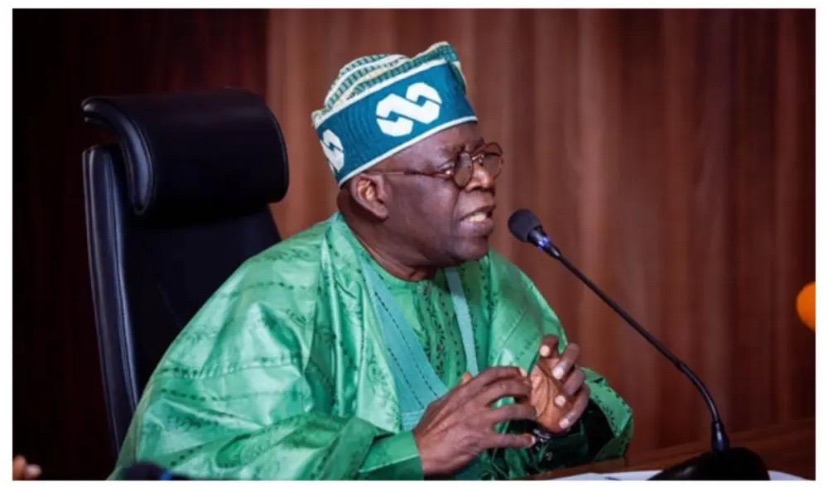
According to him, the international community is gradually regaining confidence in Nigeria’s economy because of policy consistency and reforms introduced by the administration of President Bola Tinubu.
S&P explained that the decision to upgrade Nigeria’s rating was based on improvements in the country’s external financial position. The agency pointed to rising oil production, better export performance, and increased local refining capacity as major factors supporting the economy.
The agency also praised reforms in Nigeria’s foreign exchange market. Since 2023, the Central Bank of Nigeria has introduced policies aimed at allowing the naira exchange rate to be determined more by market forces rather than government controls.
On the fiscal side, S&P noted that Nigeria has taken steps to improve tax collection, increase government revenue, strengthen transparency, and manage public debt more effectively.
Oyedele added that the country’s debt-to-revenue ratio has improved since 2023 and is expected to continue declining if the reforms remain on track.
The latest upgrade is important because sovereign credit ratings affect how much countries pay when borrowing money from international lenders. With a better rating, Nigeria may now enjoy lower borrowing costs and improved access to foreign investment.
Experts say the move could help reduce the risk premium attached to Nigerian Eurobonds, making the country more attractive to global investors and development partners.
The finance minister said the development sends a strong signal that Nigeria is rebuilding trust in the management of its economy and creating a more stable business environment.
He also used the opportunity to defend some of the government’s tough economic policies, especially the removal of fuel subsidies. According to him, fuel subsidies created serious financial problems for the country over the years by encouraging smuggling, weakening foreign exchange reserves, and draining public funds that could have been used for infrastructure and social development.
Oyedele reaffirmed the government’s commitment to maintaining a market-driven economy that supports private businesses, competition, and investment growth.
Despite the positive outlook, the minister admitted that many Nigerians are still struggling with the effects of inflation and rising living costs. He said the government remains focused on reducing inflation, improving food security, and creating more jobs for citizens.
Nigeria’s economic reforms began shortly after President Tinubu assumed office in May 2023. Key policies included the removal of petrol subsidies and the unification of multiple foreign exchange windows.
Although the reforms initially caused sharp increases in prices and weakened the naira, they also attracted more foreign exchange inflows and improved stability in the currency market over time.
Inflation, which rose above 34 percent in late 2024, has gradually started slowing down. According to the National Bureau of Statistics, Nigeria’s headline inflation rate stood at around 23 percent in March 2026, showing signs of gradual improvement even though prices remain high.