
Nigeria’s economy is becoming increasingly driven by non-oil activities, with the latest Gross Domestic Product data showing that the sector now accounts for more than 95% of total economic output.
The National Bureau of Statistics (NBS), in its Q2 2026 GDP report released on August 31, 2026, said the non-oil sector contributed 95.84% of Nigeria’s real GDP, while the oil sector accounted for 4.16%.
The economy grew by 4.43% year-on-year in real terms during the quarter, up from 3.89% in Q1 2026 and 4.23% in Q2 2025. The non-oil economy itself grew by 4.31%, supported by agriculture, information and communication, real estate, trade, financial services, manufacturing and construction.
The latest figures reinforce the changing structure of Nigeria’s economy. Services remained the largest contributor to real GDP at 56.62%, while agriculture accounted for 26.15%. The industrial sector contributed 17.23%.
Oil production, however, also improved during the quarter. The NBS said average daily crude production rose to 1.72 million barrels per day in Q2 2026, from 1.55 million barrels per day in Q1 and 1.68 million barrels per day in Q2 2025. The oil sector grew by 7.31% year-on-year.
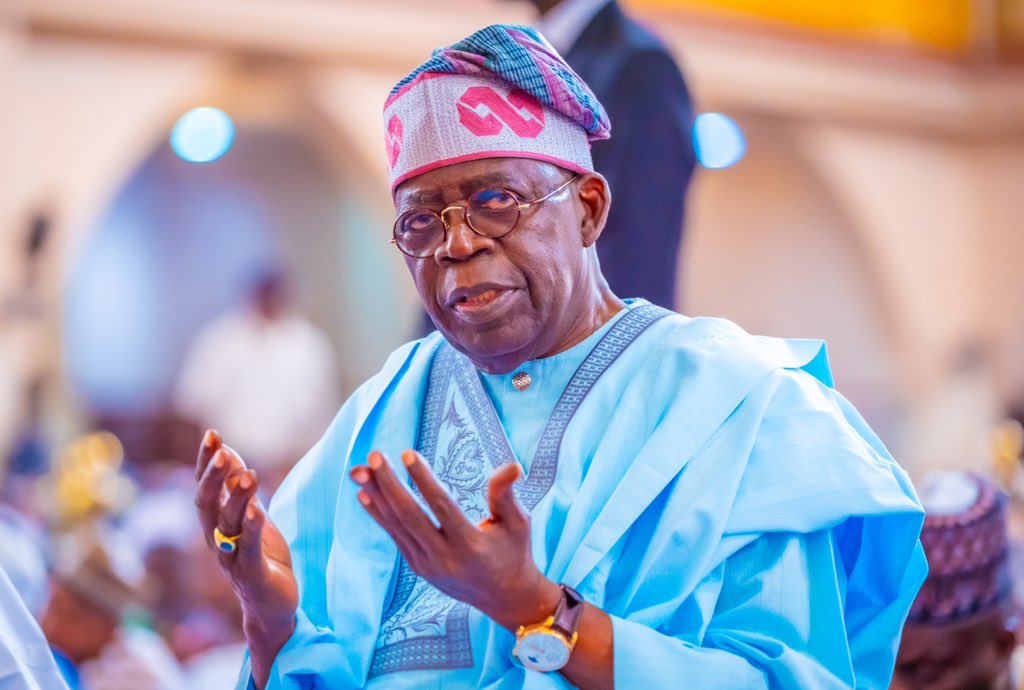
President Bola Ahmed Tinubu pointed to the growing contribution of non-oil activities in his Independence Day address on October 1, 2026. He said Nigeria recorded more than $6 billion in non-oil export revenue in 2025, describing it as the highest revenue from non-oil exports in the country’s history.
Despite the structural shift in output, oil remains important to government finances.
The International Monetary Fund (IMF), in its 2026 Article IV consultation published on June 9, 2026, projected Nigeria’s total government revenue and grants at 10.6% of GDP for 2026. Non-oil revenue was projected at 6.9% of GDP, compared with 3.8% from oil and gas revenue.
The figures show that non-oil revenue is already larger than oil and gas revenue in the IMF’s 2026 projection, but oil remains a significant source of public funds and continues to influence Federation Account receipts.
That dependence was visible in the latest FAAC figures. At its September 2026 meeting, the Federation Account Allocation Committee shared ₦2.338 trillion among the Federal Government, states and local governments from revenue generated in August 2026.
According to the Federal Ministry of Information and National Orientation in a statement dated September 17, 2026, the distributable amount comprised ₦1.565 trillion in statutory revenue and ₦773.233 billion in VAT. Gross statutory revenue included proceeds from petroleum-related sources alongside other statutory revenues.
The data therefore point to a Nigeria that is no longer economically defined by crude oil, even though oil remains important to public finances.
For the government, the longer-term challenge is to sustain growth in agriculture, manufacturing and services while expanding domestic taxes and other non-oil revenue sources.
Nigeria’s economic diversification is increasingly visible in its GDP structure. The next measure of its success will be whether that diversification can translate into a broader, more stable and less oil-sensitive revenue base for government.