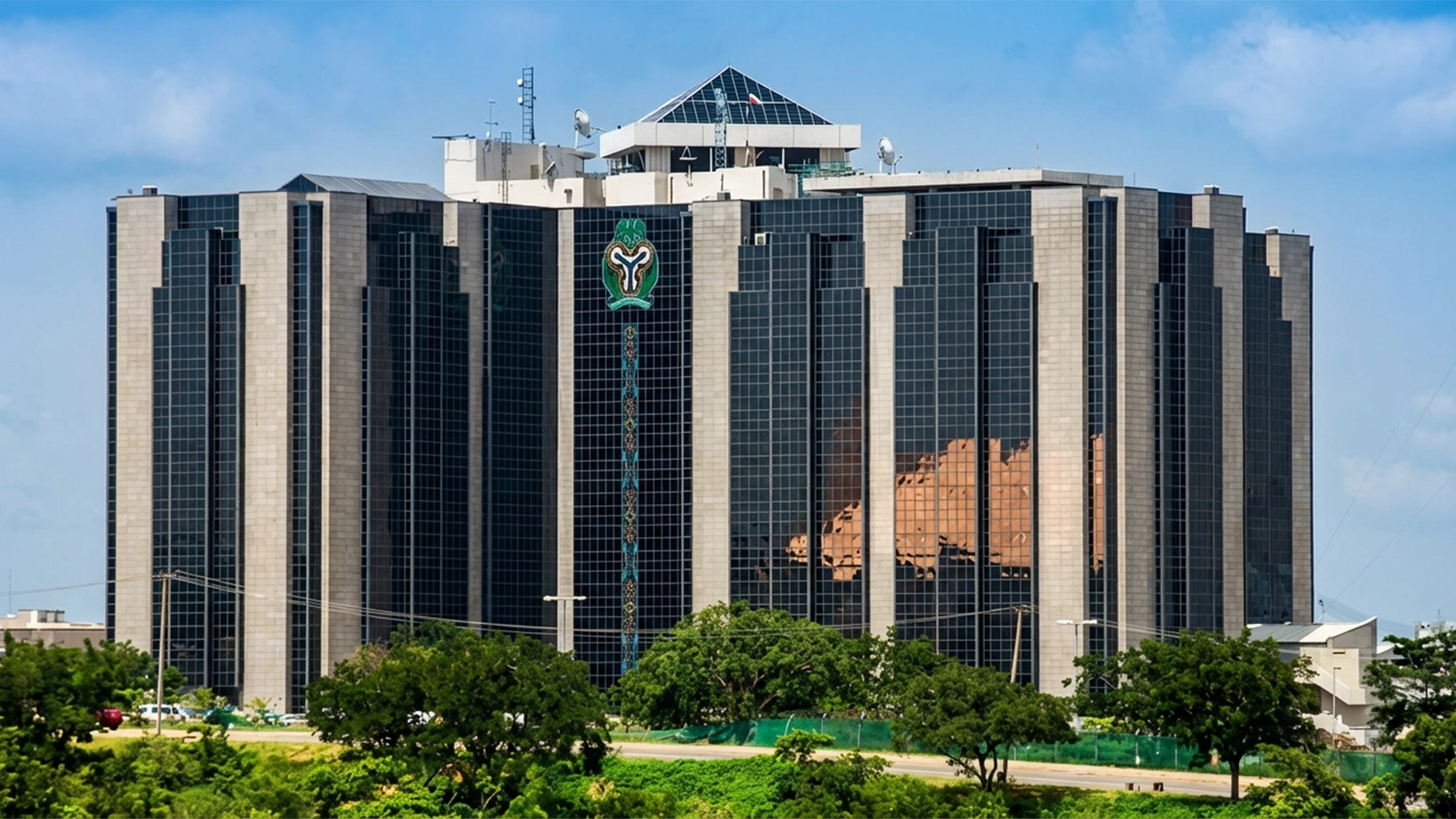

Nigerian banks increased their exposure to government debt by N15.66 trillion over the past year, underscoring the federal government’s growing reliance on domestic borrowing to finance budget deficits and support public spending, according to the latest data from the Central Bank of Nigeria (CBN).
The figures show that credit extended by deposit money banks to the government rose significantly year-on-year, reflecting strong demand for government securities such as Treasury Bills and Federal Government Bonds. The increase comes as authorities continue to navigate fiscal pressures stemming from debt servicing obligations, infrastructure spending requirements, and revenue challenges.
The surge in government borrowing highlights a broader trend within Nigeria’s financial system, where banks have increasingly allocated capital toward sovereign debt instruments. These assets are generally viewed as lower-risk investments compared with private-sector lending and often offer attractive yields in a high-interest-rate environment.
Analysts say the development reflects both the government’s financing needs and banks’ preference for relatively secure assets amid persistent economic uncertainty. While increased investment in government securities helps authorities raise funds locally, it also raises concerns about the potential crowding out of private-sector borrowers.
“When banks allocate a larger share of their balance sheets to government debt, fewer resources may be available for businesses seeking credit for expansion and investment,” economists note. Such a trend can slow private-sector growth, particularly among small and medium-sized enterprises that depend heavily on bank financing.
The expansion of domestic borrowing comes against the backdrop of ongoing fiscal reforms aimed at strengthening government revenues and reducing dependence on debt financing. Despite efforts to improve tax collection and boost non-oil revenues, borrowing remains a key component of budget execution.
Market participants have also pointed to elevated interest rates as a factor supporting demand for government securities. The CBN’s monetary tightening cycle has pushed yields higher, making Treasury Bills and bonds increasingly attractive to institutional investors, including commercial banks.
For investors, the continued growth in government borrowing signals sustained activity in Nigeria’s fixed-income market. However, it also highlights the delicate balance policymakers must maintain between funding public expenditure and ensuring adequate credit flows to productive sectors of the economy.
Looking ahead, analysts expect domestic borrowing to remain elevated as the government seeks to bridge financing gaps while managing external debt obligations. The pace of future borrowing will likely depend on revenue performance, economic growth, inflation trends, and the effectiveness of ongoing fiscal reforms.
The latest CBN data reinforces the central role of the banking sector in financing government operations and underscores the increasing interconnectedness between Nigeria’s public finances and its financial institutions.