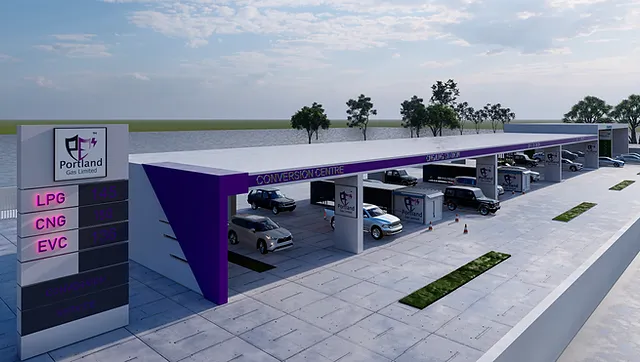

Portland Gas has strengthened its presence in Nigeria’s growing alternative energy market with the opening of a new Compressed Natural Gas (CNG) station in Ojota, Lagos, a move aimed at increasing access to cleaner and more affordable transportation fuel.
The facility, strategically located along one of Lagos’ busiest transport corridors, is expected to serve private motorists, commercial transport operators, logistics companies, and businesses seeking to reduce fuel costs amid persistently high energy prices.
The launch comes as Nigeria accelerates efforts to deepen the adoption of CNG as an alternative to petrol and diesel following the removal of fuel subsidies and the resulting increase in transportation costs. Policymakers and industry stakeholders have increasingly promoted natural gas as a transitional energy source capable of lowering operating expenses while reducing carbon emissions.
Speaking on the significance of the investment, Portland Gas said the new station reflects its commitment to supporting Nigeria’s energy transition agenda by providing reliable infrastructure that encourages wider CNG adoption. The company noted that expanding fueling infrastructure remains critical to unlocking the full potential of gas-powered mobility across the country.
Industry analysts view the expansion as part of a broader trend in which private-sector operators are investing aggressively in gas distribution networks and refueling stations. The growing availability of CNG infrastructure is expected to address one of the key barriers to adoption—limited access to fueling points.
For transport operators, the economics of CNG remain compelling. Natural gas-powered vehicles typically offer lower fueling costs compared with conventional petrol-powered vehicles, making them increasingly attractive to fleet owners and commercial drivers seeking to improve margins. The shift also aligns with Nigeria’s objective of leveraging its vast natural gas reserves to drive industrialization and reduce dependence on imported refined fuels.
Lagos, Nigeria’s commercial hub, has emerged as a focal point for CNG investments due to its large vehicle population and high transportation demand. The addition of the Ojota station is expected to improve convenience for motorists in key areas of the city while supporting the gradual expansion of the state’s clean transportation ecosystem.
Market observers believe continued investment in CNG infrastructure could accelerate vehicle conversion rates, stimulate job creation across the energy value chain, and strengthen Nigeria’s long-term energy security. As more stations come online nationwide, industry participants expect CNG to play an increasingly prominent role in the country’s evolving transportation and energy landscape.