
Nigeria’s oil sector has staged a significant recovery from the production lows recorded in 2022, but industry experts warn that persistent infrastructure challenges and investment constraints could limit the sustainability of recent gains.
Crude oil production fell below one million barrels per day (bpd) during parts of 2022 as widespread crude theft, pipeline vandalism and operational disruptions crippled output across key producing regions. Since then, production has rebounded, with OPEC data showing Nigeria producing around 1.5 million bpd in recent months, reflecting improved security conditions in the Niger Delta.
The recovery has been driven largely by enhanced surveillance efforts, stronger collaboration between security agencies and host communities, and increased monitoring of critical oil infrastructure. These measures have helped reduce large-scale theft on major export routes and improved operational reliability for producers.
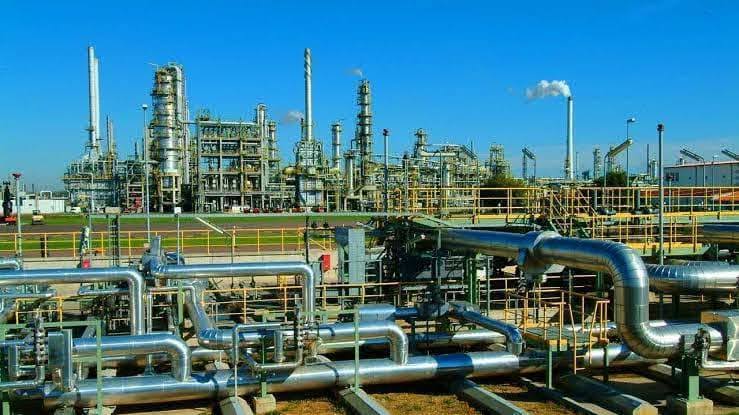
However, analysts say security improvements alone are unlikely to deliver Nigeria’s long-term production ambitions. The country’s ageing pipeline network, years of underinvestment in evacuation infrastructure and lingering regulatory uncertainties continue to weigh on output growth.
While international oil companies have committed capital to deepwater developments, where security risks are lower and assets are more resilient, investment in onshore and shallow-water operations remains comparatively subdued. Industry stakeholders argue that sustaining higher production levels will require substantial spending on pipeline rehabilitation, asset integrity and new evacuation capacity.
The implementation of the Petroleum Industry Act (PIA) has improved the regulatory framework for investors, but concerns remain over policy consistency, project economics and the pace of reforms needed to unlock fresh capital.
The stakes for Africa’s largest oil producer are significant. At prevailing crude prices, every additional 100,000 bpd of stable production could generate roughly $2.5 billion to $3 billion in annual gross export receipts, strengthening government revenues, foreign-exchange inflows and external reserves.
For policymakers, the challenge now extends beyond combating oil theft. Achieving sustained production growth will depend on addressing structural bottlenecks, accelerating infrastructure upgrades, ensuring fiscal stability and deepening engagement with host communities.
Nigeria has succeeded in reversing a sharp production decline, but converting that recovery into durable growth will require reforms that reach far beyond pipeline security.