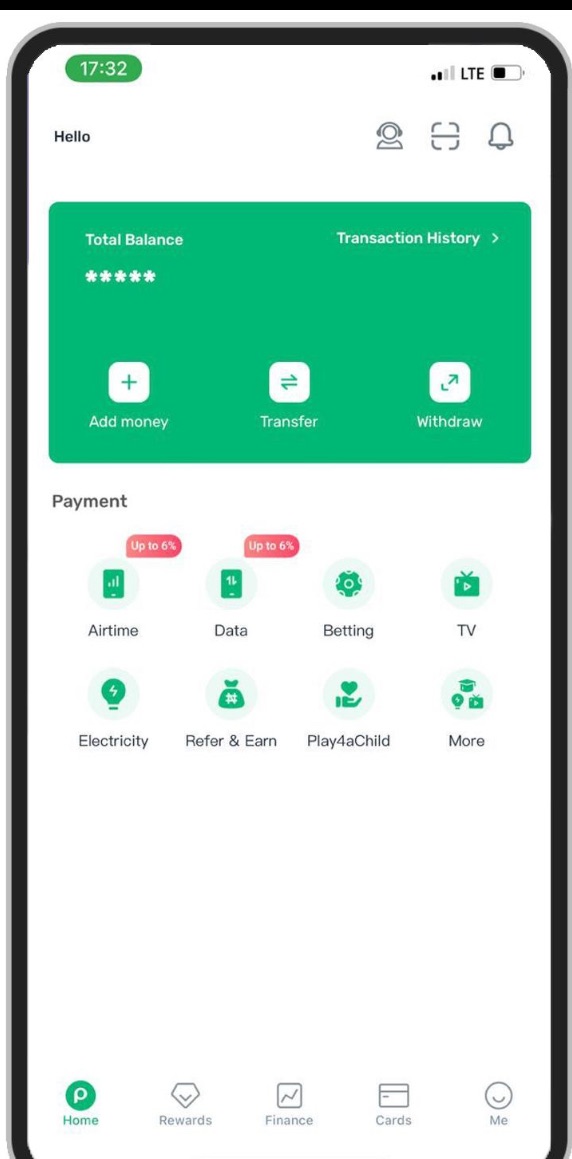

Nigeria’s financial landscape is undergoing a major transformation, with digital payments becoming a vital part of everyday life and economic activity. What was once a banking system heavily dependent on physical branches has evolved into a technology-driven ecosystem where millions of people can access financial services from their mobile devices.
At the heart of this shift are fintech companies that have expanded access to payments and banking services across the country. Among them, OPay has established itself as one of the leading platforms supporting Nigeria’s growing digital economy through innovation, financial inclusion, and improved access to financial services.
The importance of digital payments has grown significantly in recent years. Today, Nigerians use digital platforms to transfer money, pay bills, receive salaries, purchase goods, and run businesses without the need to visit traditional bank branches. This convenience has made digital payments an essential part of daily life for individuals and businesses alike.
The push toward a more connected financial ecosystem aligns with the Central Bank of Nigeria’s Payment System Vision 2028, a strategic framework designed to strengthen the country’s payment infrastructure. The initiative aims to improve innovation, security, interoperability, and financial inclusion while creating a payment system that supports economic growth.
OPay’s role in this evolving ecosystem has been largely driven by its investment in technology and infrastructure. By providing reliable payment solutions and easy-to-use digital services, the company has helped millions of Nigerians gain access to formal financial services.
One of the key goals of the Payment System Vision 2028 is to achieve about 95 percent financial inclusion by the year 2028. While progress has been made over the years, many Nigerians, especially those in rural communities, still face challenges in accessing banking services.
To address this gap, OPay has expanded its network of agents and merchants across the country. This network allows people to carry out transactions such as cash withdrawals, deposits, transfers, and bill payments within their local communities. As a result, customers no longer need to travel long distances to access financial services.
The impact of financial inclusion extends beyond simply opening bank accounts. It enables people to participate more actively in economic activities by allowing them to save securely, receive payments, and conduct transactions with ease. This creates opportunities for individuals, small businesses, and local economies to grow.
Innovation has also played a major role in Nigeria’s fintech success story. With increasing smartphone usage and internet connectivity, demand for fast and convenient digital services continues to rise. OPay has responded by continuously improving its platform and introducing solutions that simplify financial transactions for users.
Industry experts note that innovation in financial services is most effective when it solves practical problems. Whether it is reducing transaction delays, improving accessibility, or enhancing convenience, technology remains a powerful tool for expanding financial services to more people.
Another critical factor in the growth of digital finance is trust. As more Nigerians embrace digital transactions, concerns about fraud, cybersecurity, and data protection remain important. To address these concerns, OPay has invested in security systems, fraud prevention measures, customer education, and service reliability.
These efforts are aimed at strengthening confidence in digital payments and ensuring that customers can use financial services safely and securely.
Looking ahead, Nigeria’s digital economy is expected to continue expanding as regulators, financial institutions, fintech firms, and other stakeholders work together to build a stronger financial ecosystem. As digital payments become increasingly important to commerce and everyday life, companies like OPay are expected to play a key role in supporting economic participation, entrepreneurship, and long-term growth.
With continued investment in technology and financial inclusion, Nigeria is moving closer to a future where financial services are accessible to everyone, regardless of location or income level.