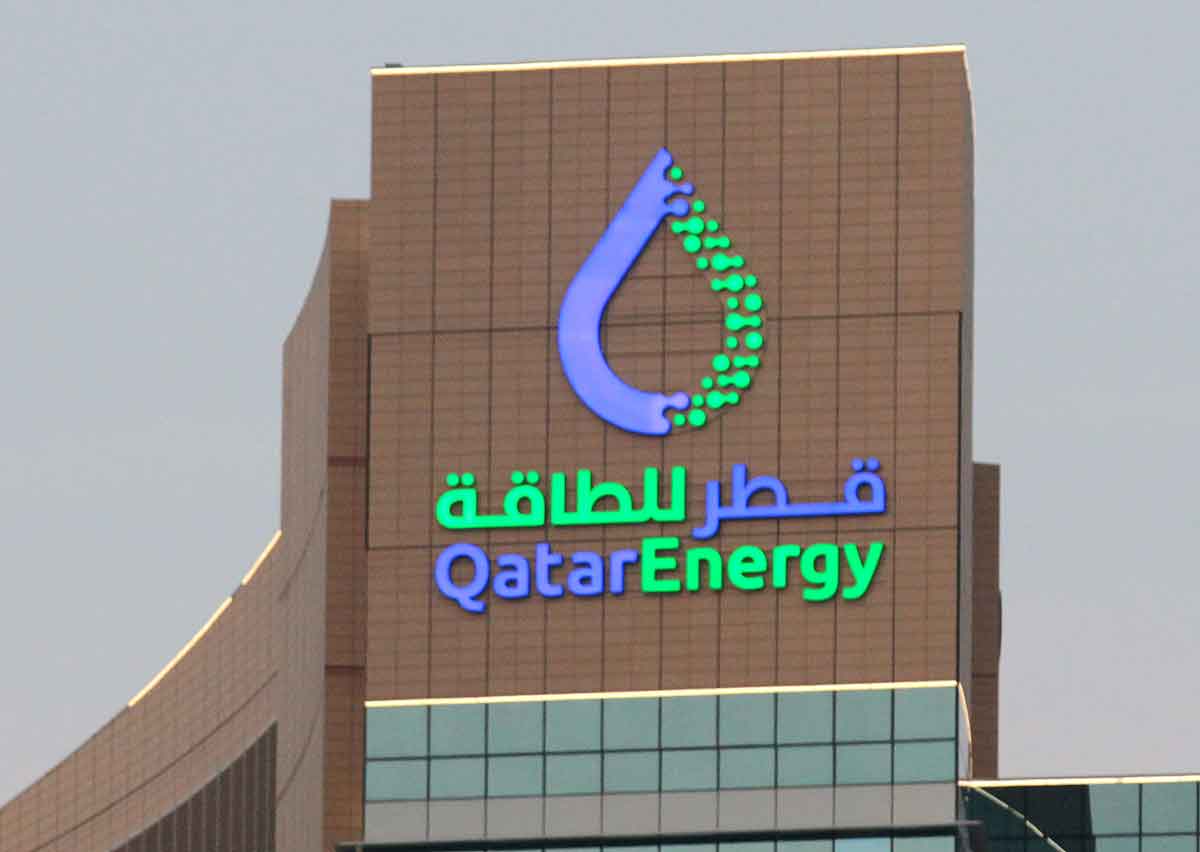

QatarEnergy has widened its production shutdown by suspending downstream industrial operations shortly after halting liquefied natural gas output, a move that underscores how geopolitical conflict can rapidly disrupt global energy supply chains. The decision reflects both operational caution and the growing economic consequences of escalating tensions in the Middle East.
The state owned energy company confirmed that the suspension followed its earlier announcement to stop LNG production at key facilities. According to the company, the decision was taken after security risks intensified around major energy infrastructure. The shutdown affects chemical, petrochemical and industrial outputs tied closely to gas processing activities.
In an official update, QatarEnergy stated that it would halt production across several downstream segments within the country. The company explained that “QatarEnergy is stopping the production of some downstream products in the State of Qatar”, signaling a broader industrial slowdown beyond gas exports.
The affected products include urea, polymers, methanol and aluminium, all of which depend heavily on natural gas feedstock. These materials serve as critical inputs for agriculture, manufacturing and construction markets worldwide. By shutting these operations, QatarEnergy effectively extended the impact of the LNG halt into global industrial supply chains.
The downstream suspension came just one day after LNG production was paused, illustrating how disruptions in upstream energy operations quickly cascade into other sectors. Reports indicate that the shutdown followed military attacks targeting facilities in Ras Laffan Industrial City and Mesaieed Industrial City, two of Qatar’s main energy hubs.
QatarEnergy emphasized that stakeholder communication would continue as the situation evolves, noting that “QatarEnergy values its relationships with all of its stakeholders and will continue to communicate the latest available information.”
Analytically, the decision highlights the structural interdependence between LNG production and downstream manufacturing. Natural gas is not only exported as fuel but also serves as a feedstock for fertilizers, petrochemicals and metals processing. Once gas supply is interrupted, associated industries face immediate operational constraints.
Global markets reacted swiftly. Energy analysts warned that reduced Qatari output could tighten LNG availability, particularly for Europe and Asia, regions that rely heavily on Gulf exports. Qatar accounts for a significant share of global LNG supply, meaning prolonged disruptions may increase price volatility and intensify competition for alternative sources.
The shutdown also raises concerns about broader commodity markets. Aluminium production, for example, depends on stable power generation fueled by gas. Any prolonged halt could restrict supply and push prices upward, amplifying inflationary pressure across manufacturing sectors.
From a strategic standpoint, QatarEnergy’s action appears precautionary rather than purely operational. Protecting personnel, infrastructure and export reliability takes precedence during periods of military uncertainty. However, the economic tradeoff is substantial, as halted production reduces export revenues and strains global supply chains simultaneously.
The development reinforces a recurring lesson in energy economics: geopolitical instability remains one of the most powerful drivers of market disruption. Even highly integrated and technologically advanced energy systems remain vulnerable to regional conflict.
In practical terms, the shutdown demonstrates how quickly localized security risks can evolve into global economic shocks. As long as tensions persist, energy markets are likely to remain sensitive, with pricing, supply security and industrial output closely tied to developments in the Gulf region.