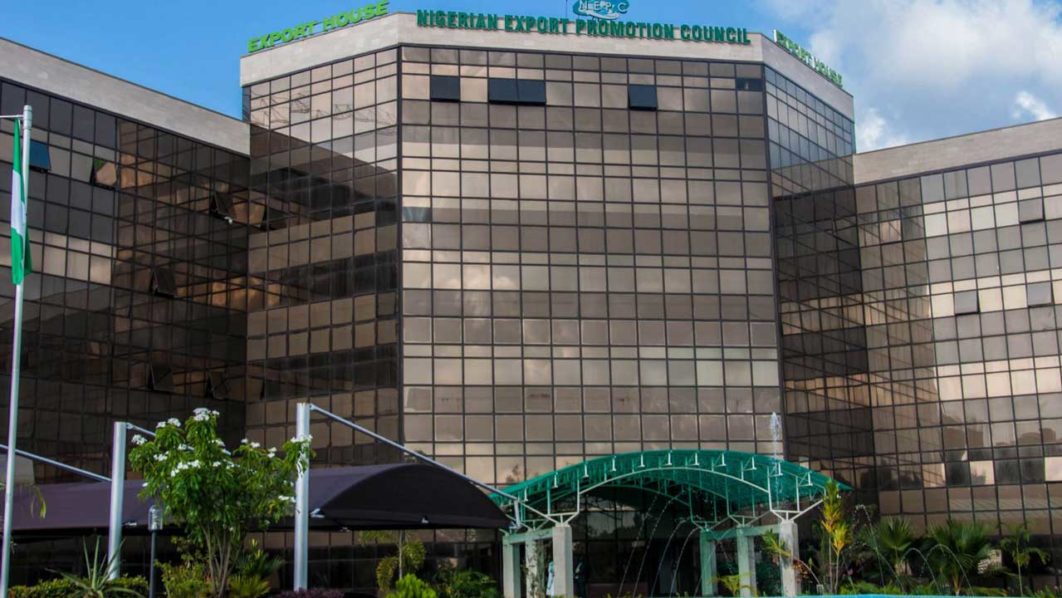

The Nigerian Export Promotion Council (NEPC) is stepping up efforts to expand Nigeria’s non-oil export base by promoting structured export clusters for cashew, sesame seeds and soya beans in Kwara State, as government officials, farmers and private sector operators seek to unlock the state’s untapped agricultural export potential.
The initiative was the focus of a stakeholders’ consultative meeting on Export Cluster Development held in Ilorin, where participants outlined strategies to improve production, processing, aggregation and access to international markets for the three commodities.
Speaking at the meeting, the NEPC’s Kwara State Coordinator, Olu Ikulajolu, said cashew and soya beans remain the state’s priority commodities under the One State One Product (OSOP) programme. He explained that sesame seeds were added following research and consultations that revealed rising production levels and increasing investor interest in the crop across the state.
According to him, Kwara’s favourable climate and soil conditions provide a competitive advantage similar to neighbouring Niger and Kogi states, while cashew has continued to gain prominence following its strong export performance in 2025.
Ikulajolu disclosed that Nigeria generated approximately $6.1 billion in non-oil export earnings in 2025, but Kwara contributed only about $58 million, highlighting what he described as a significant gap between the state’s agricultural potential and its actual export performance.
He attributed the shortfall partly to inadequate aggregation centres and weak systems for tracking export activities, noting that functional export clusters would bring together farmers, processors, marketers and exporters within the same value chain to improve product quality, increase productivity and strengthen competitiveness in global markets.
The Kwara State Ministry of Agriculture and Rural Development pledged support for the initiative, describing sesame, cashew and soya beans as strategic crops capable of driving rural incomes and export growth.
Representing the Permanent Secretary, Foluke Shokoya, the ministry’s Director of Extension Services, Idris Mohammed, said most sesame buyers operating in Kwara currently come from outside the state, underscoring the need to build stronger indigenous participation across the agricultural value chain.
He advocated the establishment of produce aggregation centres near farming communities, improved rural logistics, easier access to financing and enhanced collaboration with traditional institutions to attract investors. Mohammed also identified insecurity as a major constraint limiting farm access and discouraging agricultural investment, calling for stronger security measures to protect farming activities.
Other stakeholders echoed the need for sustained investment in mechanisation, extension services and youth participation. Dr. Popoola O. Peter of the Agricultural and Rural Management Training Institute (ARMTI) said modern farming equipment and improved access to land would make agriculture more attractive to younger Nigerians while protecting long-term investments in export-oriented farming.
Private sector representatives, including the Kwara Chamber of Commerce, Industry, Mines and Agriculture (KWACCIMA) and the All Farmers Association of Nigeria (AFAN), pledged support for the programme, arguing that well-coordinated export clusters could attract investment, improve value addition, create jobs and significantly increase Kwara State’s contribution to Nigeria’s non-oil export earnings as the country seeks to diversify away from crude oil dependence.