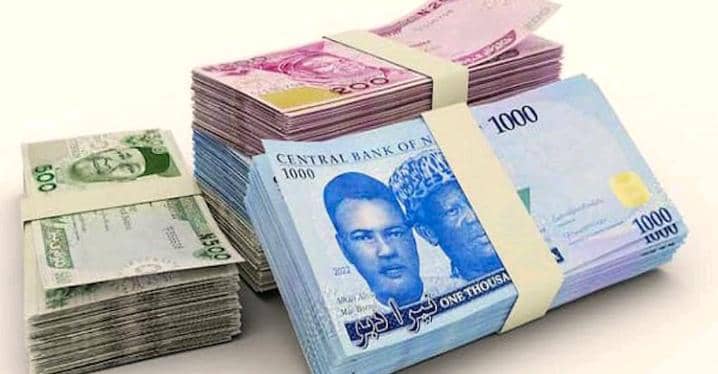

Nigeria’s currency, the naira, has shown surprising resilience this week, appreciating against the US dollar even as foreign exchange inflows plummeted by 32.9%. This unexpected turnaround highlights the complex dynamics at play in the country’s volatile forex market.
According to fresh data from the Central Bank of Nigeria (CBN), total FX inflows into the economy fell sharply to $192.89 million for the week ending October 18, 2025. This marks a steep 32.9% decline from the previous week’s $287.21 million. The drop was largely driven by reduced remittances and fewer investments from international sources, amid ongoing global economic uncertainties.
Despite the lower inflows, the naira traded stronger in both official and parallel markets. At the Investors and Traders (I&E) window, it closed at ₦1,600/$1, gaining 0.5% from the prior session. In the parallel market, the rate improved to ₦1,620/$1, reflecting a 1.2% appreciation. Traders attribute this to increased CBN interventions and a surge in local dollar supplies from oil exports.
Market analysts point to several factors behind the naira’s uptick. First, the CBN injected over $150 million into the market to stabilize rates, easing pressure on importers. Second, seasonal boosts from harvest periods have encouraged more naira-based transactions, reducing dollar demand. Additionally, stricter regulations on Bureau de Change operators have curbed speculative hoarding.
However, experts warn that the gains may be short-lived. With FX reserves dipping below $35 billion, sustained inflows are crucial for long-term stability. “The current appreciation is a temporary relief, not a structural fix,” noted economist Dr. Aisha Bello. She urges policymakers to diversify export revenues beyond oil to build forex buffers.
On the positive side, the lower parallel market rates have eased inflation pressures on imported goods, benefiting consumers. Grocery prices, for instance, stabilized in major cities like Lagos and Abuja.
Looking ahead, the CBN’s next monetary policy meeting on November 26 could introduce fresh measures, such as rate hikes or further interventions. Investors remain cautiously optimistic, watching for signs of rebounding remittances ahead of the holiday season.
This week’s performance underscores Nigeria’s evolving forex landscape: resilience amid challenges. As inflows recover, the naira could solidify its gains, paving the way for economic relief.