
The Delta State Government has approved the recruitment of more than 700 medical and non medical personnel in a move aimed at strengthening healthcare delivery across the state. The decision reflects a calculated response to rising service demand and recent investments in health infrastructure.
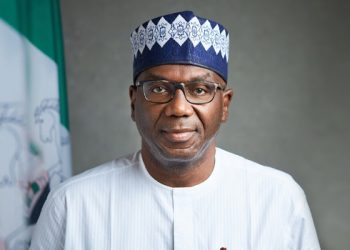
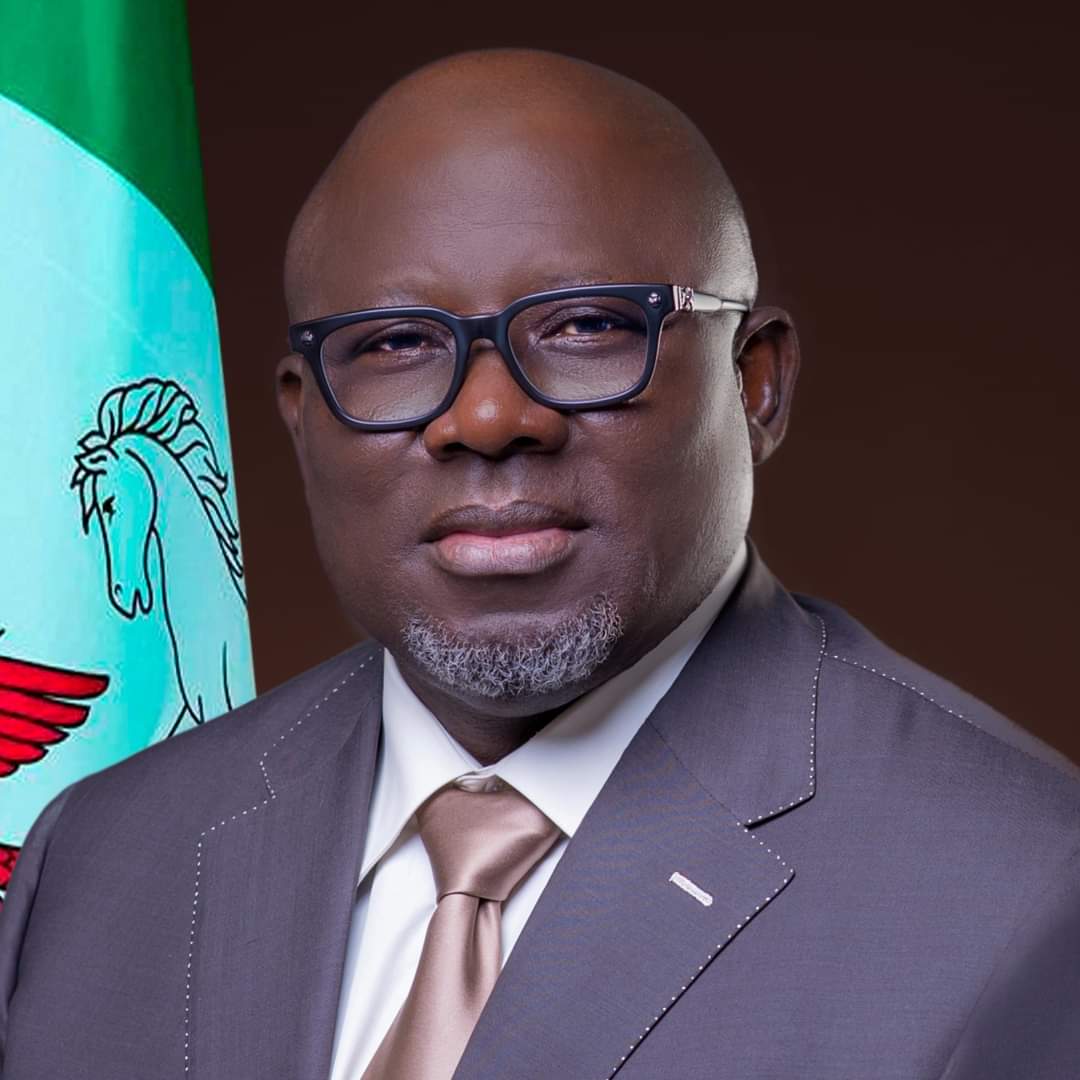
The approval, granted by Governor Sheriff Oborevwori, was disclosed by the Commissioner for Health, Dr Joseph Onojaeme, during a briefing in Asaba. According to him, the initiative is part of a broader effort to expand the state’s healthcare capacity and ensure that new and upgraded facilities operate efficiently.
He explained that the recruitment is driven by increased pressure on health services, following improvements in infrastructure. Facilities such as the upgraded General Hospital in Warri and the nearly completed Mother and Child Hospital in Ekpan have expanded the system’s capacity, creating an urgent need for additional personnel.
A breakdown of the plan shows a structured deployment across key institutions. About 295 workers will be assigned to the Hospital Management Board, while 120 will go to the Delta State University Teaching Hospital. Another 100 will be posted to the College of Health Technology in Ovrode. The Asaba Specialist Hospital and Warri Central Hospital are expected to receive 60 and 12 personnel respectively.
“The recruitment drive is closely tied to recent developments in the sector,” the commissioner noted, linking the hiring decision to ongoing upgrades and expansion projects.
Beyond infrastructure growth, the government is also responding to workforce shortages caused by the migration of healthcare professionals, widely referred to as the “Japa syndrome.” This trend has weakened staffing levels across Nigeria, making replacement hiring a necessary policy response.
To maintain operational stability, the state has adopted a system of replacing exiting workers while expanding the workforce in critical areas. “This approval reflects the government’s proactive approach to ensuring that our health facilities are adequately staffed,” Onojaeme said.
The recruitment will cover a wide range of roles, including consultants, doctors, nurses, pharmacists, laboratory scientists, physiotherapists, administrators, and other support staff. This broad scope suggests an attempt to address both clinical and operational gaps within the system.
Alongside workforce expansion, the state is investing in diagnostic and treatment capacity. A State Public Health Laboratory is nearing completion, which is expected to improve testing and response capabilities. During the COVID 19 pandemic, the absence of such a facility forced reliance on distant laboratories, slowing response time.
Additional investments include the construction of a psychiatric hospital and the acquisition of modern MRI machines designed to reduce maintenance costs. The government has also improved dialysis services, with treatment costs dropping to around N45,000 in some centres.
Onojaeme assured that the recruitment process will be transparent and merit based, with vacancies to be advertised publicly. The initiative is expected to improve service delivery, strengthen health outcomes, and align staffing levels with the state’s expanding healthcare infrastructure.