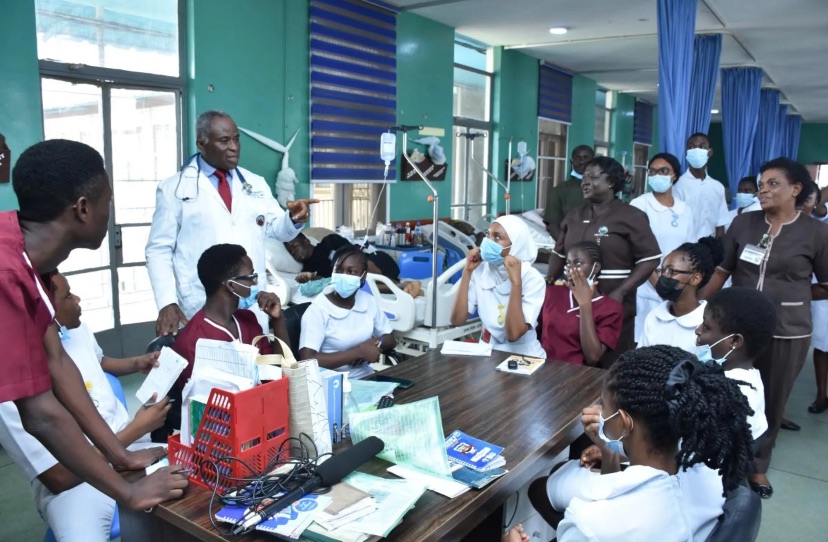

Nigeria’s shortage of health workers is no longer only a healthcare concern. It is increasingly becoming an economic issue, with the loss of doctors, nurses and other professionals putting pressure on hospitals, businesses, families and the country’s workforce.
Nigeria has continued to face difficulties retaining skilled healthcare professionals, many of whom leave the country in search of better pay, improved working conditions and stronger career opportunities abroad. The trend has raised concerns about how the country can maintain an effective healthcare system while also building a productive economy.
The shortage means that hospitals and clinics often have to operate with fewer workers than they need. For patients, this can translate into longer waiting times, heavier workloads for available staff and higher costs of accessing medical care.
For the economy, the consequences can go even further.
A healthy workforce is essential for productivity. When workers spend more time dealing with illness or caring for sick relatives, businesses can lose working hours and productivity. Employers may also face higher costs when employees are frequently absent or require extended medical leave.
The shortage of healthcare professionals can also increase the financial burden on families. Nigerians who cannot access affordable or timely treatment may spend more money seeking care elsewhere, including travelling to other countries for specialised medical services.
The migration of health professionals also represents a loss of investment. Training a doctor, nurse, pharmacist or other medical professional requires years of education and significant resources. When trained professionals leave Nigeria, the country loses part of the economic value created by that investment.
At the same time, the countries receiving these professionals benefit from workers who have already received much of their training in Nigeria.
The problem also creates an employment paradox. Nigeria has a large young population and many graduates seeking opportunities, yet the healthcare system continues to face shortages in critical areas. Expanding healthcare employment could therefore serve two purposes: improving medical services while creating productive jobs.
Experts have increasingly called for better working conditions, competitive salaries, improved medical facilities and clearer career-development opportunities to encourage professionals to remain in the country.
Addressing the problem could also help Nigeria retain more of its skilled workforce and reduce the pressure on the health system.
There is an economic opportunity in strengthening the healthcare sector. More hospitals, diagnostic centres, pharmaceutical companies, medical technology firms and specialist facilities could create jobs while reducing the need for Nigerians to seek treatment abroad.
However, simply producing more health workers may not solve the problem if the country cannot retain them.
Nigeria therefore faces a broader challenge: creating an environment where skilled professionals can build sustainable careers at home.
The health worker shortage should be viewed not only as a question of hospitals and patients but also as a question of jobs, productivity, investment and economic development.
For Nigeria to build a stronger economy, it needs a healthy and adequately staffed workforce. Retaining its doctors, nurses and other healthcare professionals could therefore become an important part of the country’s economic strategy.