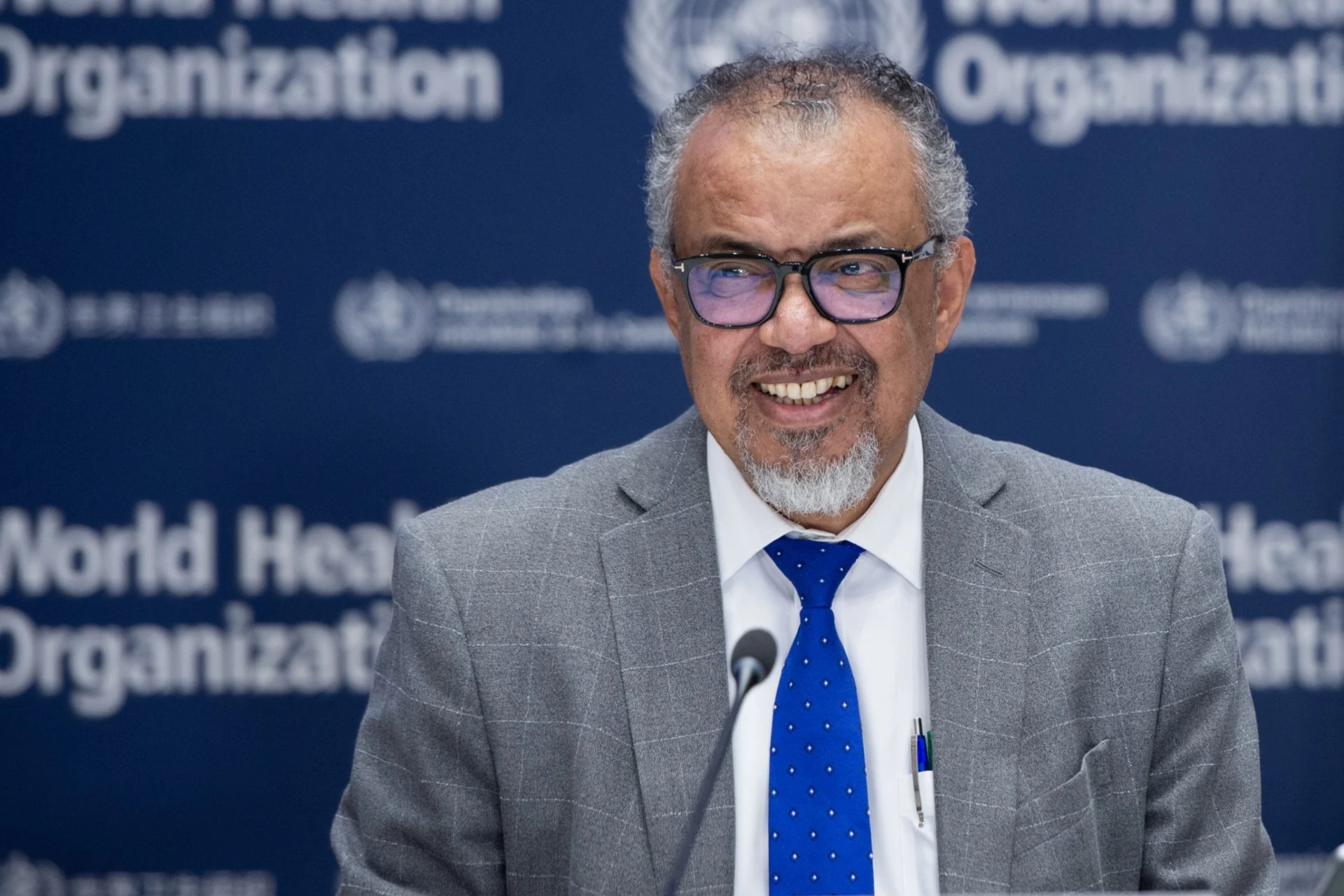

The World Health Organization (WHO) is calling on countries to go further in integrating refugees and migrants into national health systems, even as new data shows growing global progress.
In a recent report, the UN health agency noted a significant shift in how governments are responding to migrant health needs. More than 60 countries, about two-thirds of those surveyed now include refugees and migrants in their national health policies and legal frameworks.
The report, titled “World Report on Promoting the Health of Refugees and Migrants: Monitoring Progress on the WHO Global Action Plan,” highlights a move toward evidence-based policymaking. It found that even in politically sensitive environments, countries are increasingly relying on data, science, and established global standards to guide health responses for migrant populations.
Case studies across WHO’s six regions illustrate this progress in practice. These include expanded migrant health insurance in Thailand, the use of cross-cultural communication mediators in Belgium, and the involvement of migrant community representatives in primary healthcare decision-making in Chile.
Drawing on data from 93 member states, the report establishes the first global baseline for tracking progress toward inclusive, migrant-responsive health systems.
Globally, migration remains a defining feature of modern society. According to WHO, more than one billion people—over one in eight worldwide are refugees or migrants. While migration can be driven by conflict, disasters, economic opportunities, education, or family needs, many migrants still face significant health challenges. These include limited access to healthcare, higher exposure to infectious and chronic diseases, mental health pressures, and unsafe living or working conditions.
Commenting on the findings, WHO Director-General Tedros Adhanom Ghebreyesus emphasized that migrants are not just beneficiaries of care but also contributors to health systems as workers, caregivers, and community leaders. He noted that truly universal health systems must serve everyone, adding that inclusion strengthens societies and improves preparedness for future health crises.
WHO also stressed that investing in migrant health yields long-term benefits. Inclusive systems support social and economic integration, enhance health system resilience, and strengthen global health security. Over time, they can also reduce costs by fostering healthier, more productive populations.
Despite the progress, gaps remain. Only 37% of countries routinely collect and use migration-related health data. Just 42% include migrants in emergency preparedness and disaster response plans, while fewer than 40% train health workers in culturally responsive care. Additionally, only 30% of countries have implemented public communication campaigns to address misinformation and discrimination related to migrant health.
WHO is now urging governments, partners, and donors to accelerate efforts to close these gaps and ensure that no one is left behind in the pursuit of universal health coverage.